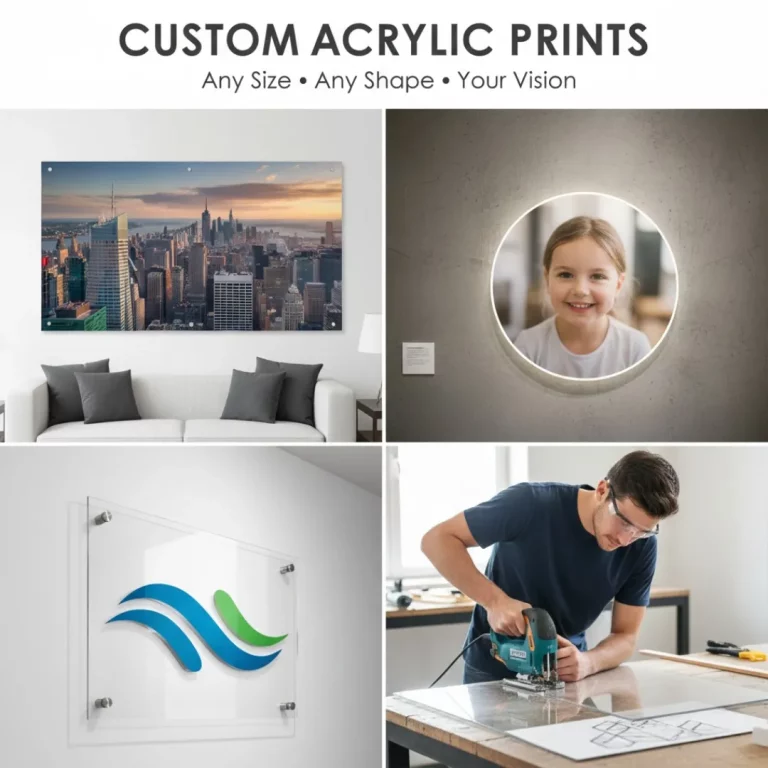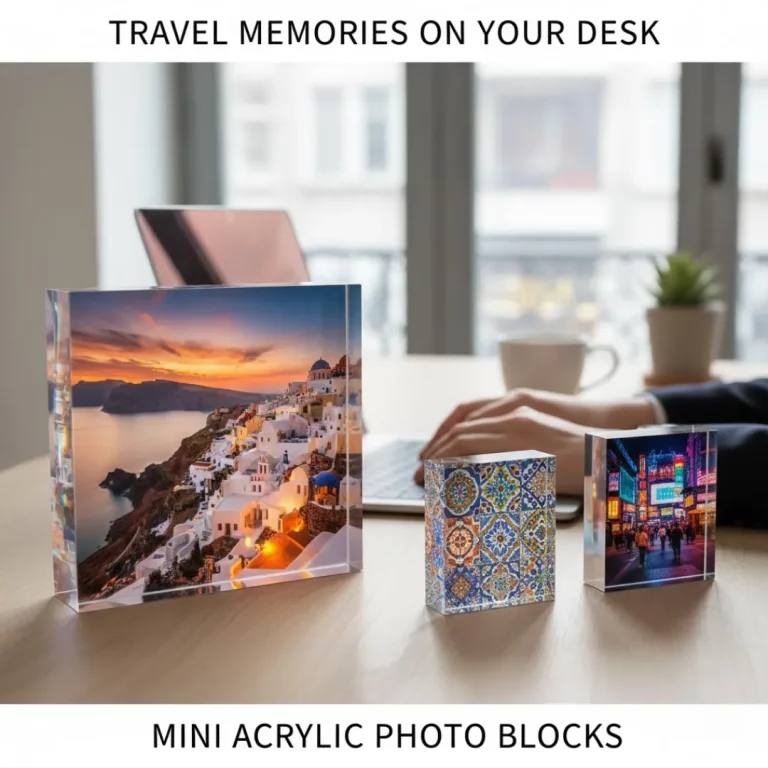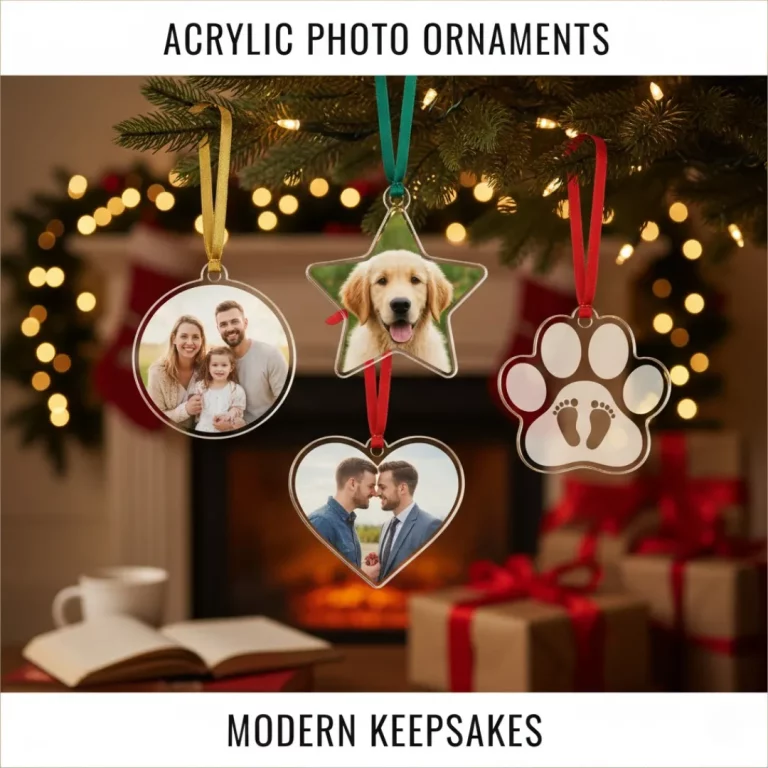
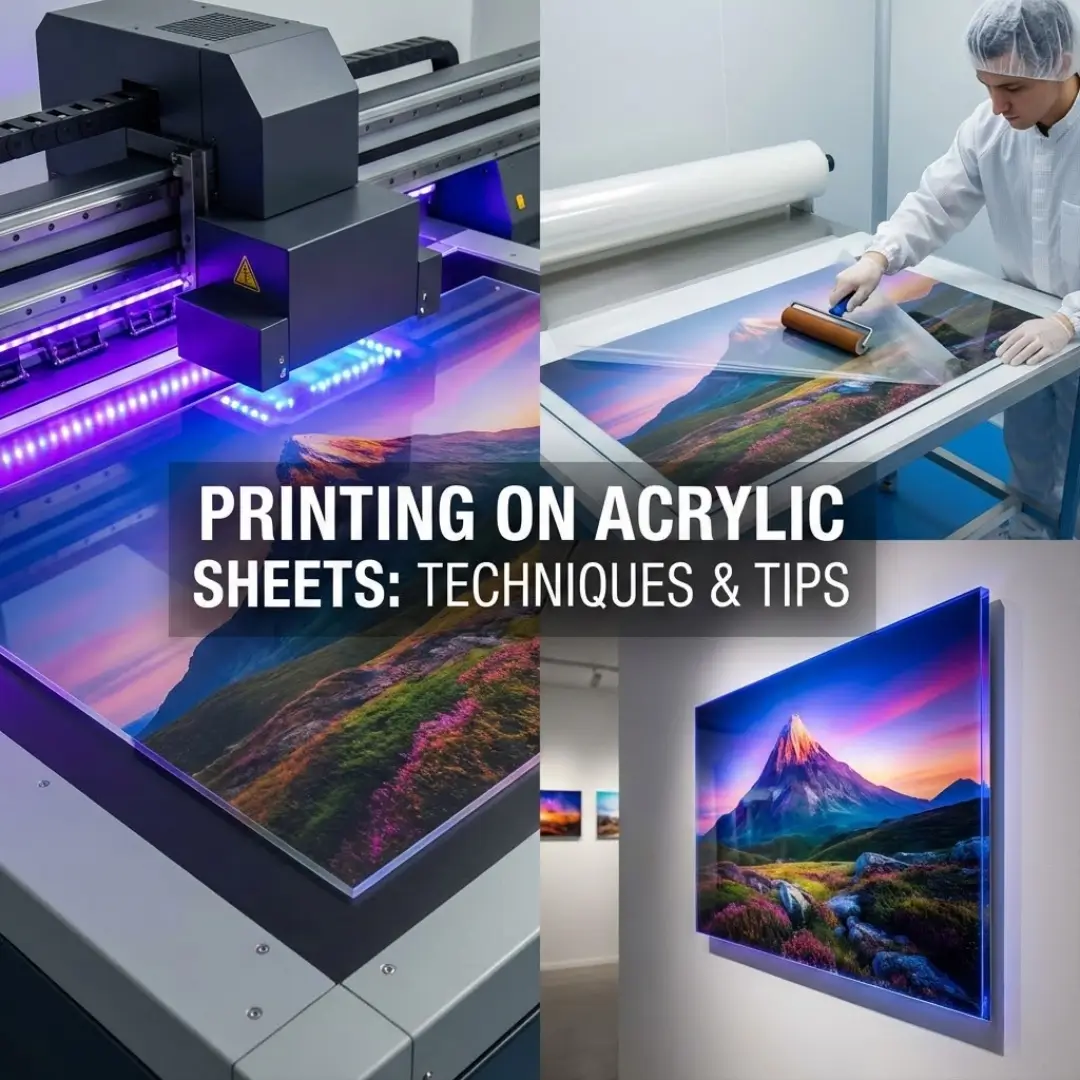
Acrylic prints have a unique, gallery-quality look that makes photos and artwork pop with incredible color and depth. But have you ever wondered how an image gets onto that crystal-clear surface? The process of printing on acrylic sheet is a sophisticated blend of art and technology, and the method used directly impacts the final quality of the print.
It’s not as simple as running a piece of acrylic through a standard printer. The non-porous surface requires special techniques to ensure the ink adheres properly and the image is sharp and vibrant. Understanding these methods is key to knowing what makes a high-quality acrylic print.
This guide will demystify the process of printing on acrylic sheet. We’ll explore the two primary professional techniques—direct printing and face mounting—and offer tips to ensure you get the best possible results for your art or signage.
The Two Main Methods for Printing on Acrylic Sheet
When it comes to professional acrylic printing, there are two main techniques. Each has its own benefits and is suited for different applications, from wall art to business signage.
1. Direct Printing (UV Flatbed Printing)
Direct printing is exactly what it sounds like: a specialized flatbed printer applies ink directly onto the surface of the acrylic sheet.
How It Works:
The acrylic sheet is placed on a large, flat printer bed. As the print heads pass over the sheet, they jet out droplets of UV-curable ink. Almost simultaneously, an ultraviolet (UV) light follows the print heads and instantly cures, or hardens, the ink onto the acrylic surface. A layer of white ink is often printed on the back to make the colors opaque and vibrant.
Pros:
- Cost-Effective: This method is generally faster and less labor-intensive, making it more affordable.
- Durable: The cured ink is very durable and resistant to scratches and fading, making it suitable for outdoor use or high-traffic areas.
- Versatile: It works well for both photos and graphics, making it a popular choice for acrylic table signage and displays.
Cons:
- Lower Resolution: While modern printers are excellent, direct printing can sometimes result in slightly lower sharpness and color depth compared to face mounting. The ink sits on top of the surface rather than being viewed through the acrylic.
2. Face Mounting (Second Surface Printing)
Face mounting is the premium method used for high-end, gallery-quality photo prints. It involves printing the image on professional-grade photo paper first and then adhering it to the back of the acrylic sheet.
How It Works:
- Print the Image: Your photo is printed on high-quality, archival photo paper using professional inks.
- Mount the Print: The printed side of the photo paper is then carefully bonded to the back of the acrylic sheet using a specialized, optically clear adhesive. This process is done in a dust-free environment to prevent any imperfections.
- Add Backing: A final backing layer (often made of aluminum composite or another rigid material) is added to protect the print and provide stability.
When you view a face-mounted print, you are looking through the polished acrylic at the photo paper. This creates the signature depth, vibrancy, and luminous quality that acrylic prints are famous for.
Pros:
- Superior Image Quality: This method offers the highest possible resolution, color saturation, and detail.
- Incredible Depth: Viewing the image through the thick acrylic gives it a mesmerizing, almost 3D effect.
- Archival Quality: The use of archival paper and inks, combined with the protection of the acrylic, ensures the print will last for decades without fading.
Cons:
- More Expensive: This is a more complex and labor-intensive process, which makes it a more premium-priced option.
Which Printing Method is Right for You?
Choosing between direct printing on acrylic sheet and face mounting depends on your specific needs and budget.
| Feature | Direct UV Printing | Face Mounting |
|---|---|---|
| Best Use Case | Signage, outdoor displays, budget-friendly art | Gallery-quality photos, fine art reproduction |
| Image Quality | Good to excellent | Exceptional, highest resolution |
| Durability | Very high, suitable for outdoors | High, best for indoor display |
| Cost | More affordable | Premium price |
| Visual Effect | Matte or glossy finish on the surface | Luminous, 3D depth from behind the acrylic |
For many commercial applications, like durable acrylic wall art for business, the cost-effectiveness and durability of direct UV printing make it an ideal choice. For a personal art piece where quality is paramount, the superior visual impact of face mounting is often worth the investment.
Tips for Getting the Best Printing Results
Regardless of the method used, the quality of the final print starts with a high-quality source file. Here’s what you need to know to ensure your acrylic print looks its best.
1. Start with a High-Resolution Image
This is the most important rule. A low-resolution file will result in a blurry or pixelated print, no matter how good the printer is.
- Resolution: Aim for an image that is at least 300 DPI (dots per inch) at the desired print size.
- File Type: Use uncompressed file formats like TIFF or high-quality JPEG for photos. For logos and graphics, a vector format (like AI or EPS) is ideal.
2. Calibrate Your Monitor
The colors you see on your screen may not be how they appear in print. For professional work, it’s best to use a calibrated monitor to ensure color accuracy. If that’s not possible, be aware that there may be slight variations in the final print.
3. Consider the Finish
When printing on acrylic sheet, you have choices for the finish. A glossy finish will make colors pop, while a matte or non-glare finish can reduce reflections, which is useful for pieces that will be displayed in brightly lit areas.
4. Choose a Reputable Printer
The skill of the printer operator and the quality of their equipment make a huge difference. Look for a company with experience in acrylic printing and positive customer reviews. An expert printer will know how to optimize your file and choose the right technique for your project.
Conclusion
The process of printing on acrylic sheet has evolved into a sophisticated craft that produces stunning, durable, and modern works of art. Whether through the efficiency of direct UV printing or the unparalleled quality of face mounting, these techniques allow photos and designs to be displayed with a vibrancy that other materials can’t match.
By understanding how these methods work and starting with a high-quality image file, you can be confident that your final acrylic print will be a beautiful and long-lasting piece.
Frequently Asked Questions (FAQ)
Q: Can you print on both sides of an acrylic sheet?
A: Yes, with direct UV printing, it is possible to print on both sides of a clear acrylic sheet. This is often used for creating layered effects or for signs that need to be viewed from two directions.
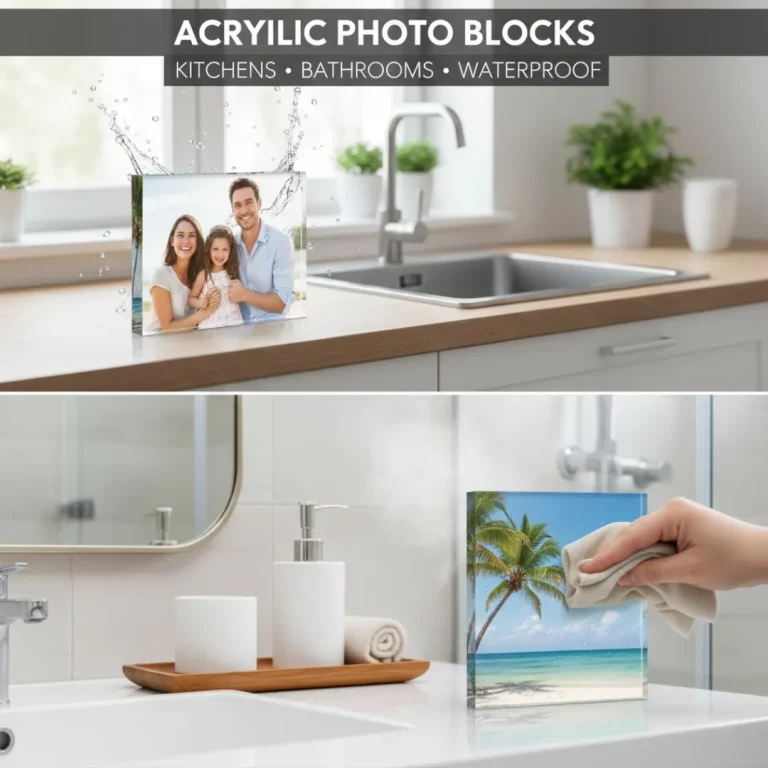
Q: Is printing on acrylic sheet waterproof?
A: Yes, both direct UV printing and face-mounted prints are highly water-resistant. This makes acrylic a great choice for displaying art in kitchens, bathrooms, or even covered outdoor areas. For more ideas, you can check out our guide on acrylic art for bathrooms.
Q: What is the thickest acrylic sheet you can print on?
A: For wall-mounted art, acrylic sheets are typically 1/8 to 1/4 inch thick. For freestanding acrylic blocks, the thickness can be 1 inch or more. The capabilities will depend on the printer’s equipment.
Q: How is an acrylic print different from a metal print?
A: Both offer a modern, frameless look. An acrylic print has a sense of depth because you look through the acrylic at the image. A metal print has the image infused directly into the surface of an aluminum sheet, which gives it a unique metallic luminescence but less physical depth.
Q: Can I use any photo for printing on an acrylic sheet?
A: Technically yes, but for the best results, you must use a high-resolution photo. A small photo from your phone might look fine on a screen but could become blurry when enlarged for a print.
Q: Is direct printing on acrylic bad quality?
A: Not at all. Modern UV flatbed printers produce excellent, high-resolution prints with great color and durability. While face mounting is considered the premium “gallery-quality” method for photos, direct printing is a fantastic and professional option, especially for signage and graphic displays.
Q: How does the final product compare to a traditional framed photo?
A: An acrylic print offers a more modern, borderless aesthetic. It’s also lighter and more durable than a traditional glass frame. The debate over acrylic wall art vs framed photos often comes down to a preference for a contemporary versus a classic look.