We have all been there. You have a stunning photo that you can’t wait to show off—maybe it’s a wedding portrait, a candid shot of the kids, or a breathtaking landscape from your last vacation. You’ve edited it to perfection, but now you face a crucial design dilemma: where does it belong? Should it sit proudly on the mantel, or does it deserve a prime spot on the gallery wall?
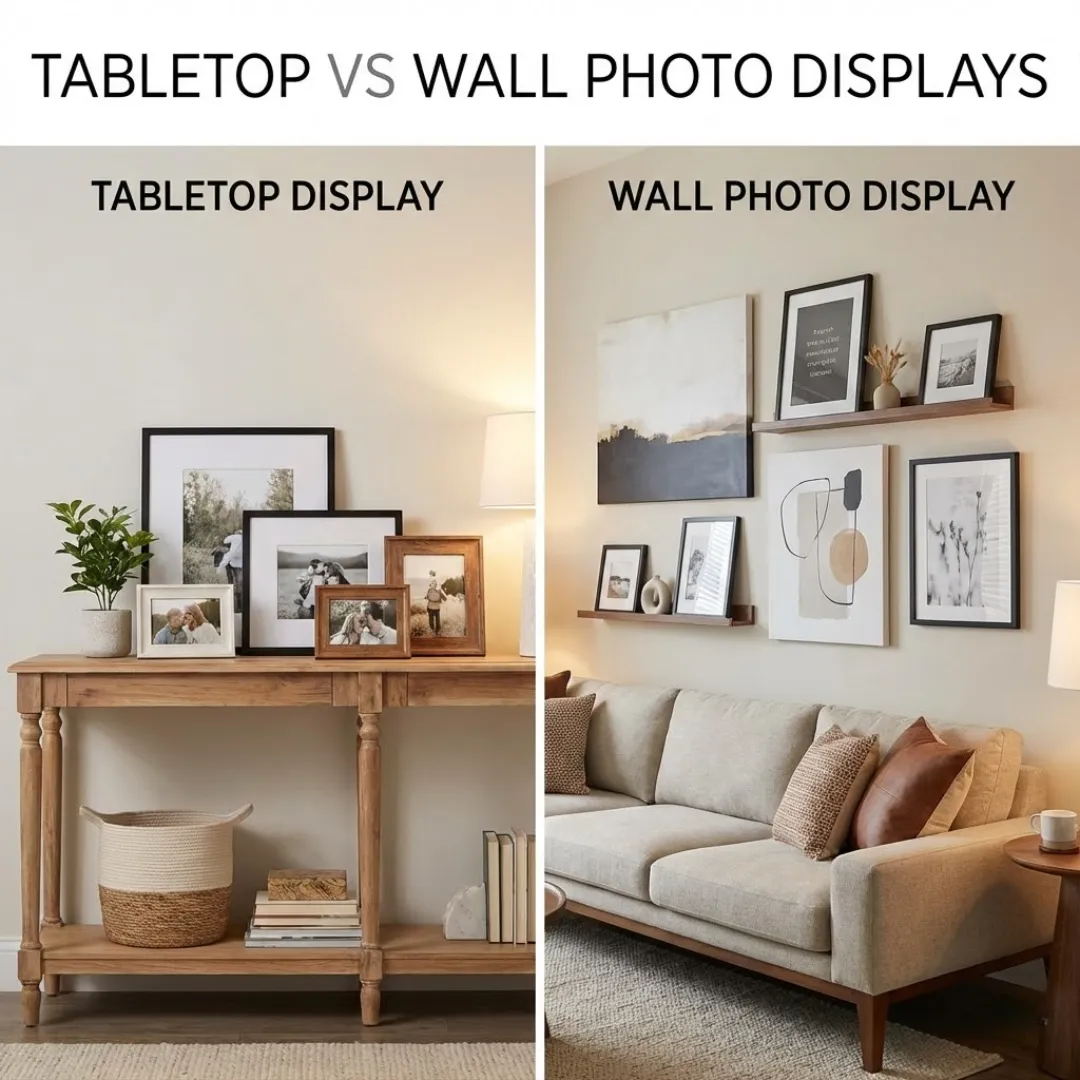
Choosing between a tabletop vs wall photo display isn’t just about finding an empty spot. It’s about how you want to interact with the memory and how it fits into the flow of your room. A photo on a desk invites a personal, intimate connection, while a large print on the wall makes a bold artistic statement.
Making the wrong choice can leave a room feeling cluttered or a beautiful photo feeling lost. In this guide, we will explore the key differences between these two display styles. We’ll help you navigate the pros and cons of each so you can confidently decide which method best suits your space and your style.
The Case for Wall Photo Displays
When you think of art galleries or museums, you think of walls. Wall displays are the traditional go-to for making a visual impact. They turn your photos into the room’s focal point and set the tone for the entire decor.
1. Maximizing Visual Impact
If you have a high-resolution image that deserves attention, the wall is its stage. Large-scale prints, such as canvases or acrylic panels, thrive here. A tabletop vs wall photo display comparison often comes down to size. Walls allow for expansive panoramas or life-sized portraits that simply wouldn’t fit on a side table.
For example, a stunning landscape from a trip abroad can transform a living room. You might consider creating a travel photo collage on a large acrylic panel to bring those memories to life on a grand scale.
2. Saving Valuable Surface Space
In modern homes, surface space is premium real estate. Coffee tables, desks, and nightstands accumulate clutter quickly. By moving your photos to the wall, you keep your surfaces clean and functional. This is particularly useful in smaller homes where every inch of counter space matters.
3. Creating a Theme or Narrative
Walls offer the canvas for storytelling. You can group multiple photos to create a cohesive narrative. A gallery wall allows you to mix different sizes and styles. You could design a family photo collage that spans generations, turning a blank hallway into a walk down memory lane.
Best Locations for Wall Displays:
- Above the Sofa: The classic spot for a large statement piece.
- The Hallway: Perfect for a linear timeline of photos.
- The Staircase: Ideal for an eclectic mix of frames.
- Entryways: Make a first impression with entryway wall art that welcomes guests.
The Case for Tabletop Photo Displays
While walls offer grandeur, tabletop displays offer intimacy. They are flexible, personal, and add warmth to a room without requiring a hammer and nails.
1. Intimacy and Detail
A tabletop vs wall photo display offers a different viewing experience. Tabletop photos are meant to be viewed up close. This makes them perfect for smaller, detailed shots—like a close-up of a baby’s hands or a small, intricate drawing. Because the viewer is physically closer, they can appreciate the subtle details that might get lost on a wall.
2. Flexibility and Ease of Change
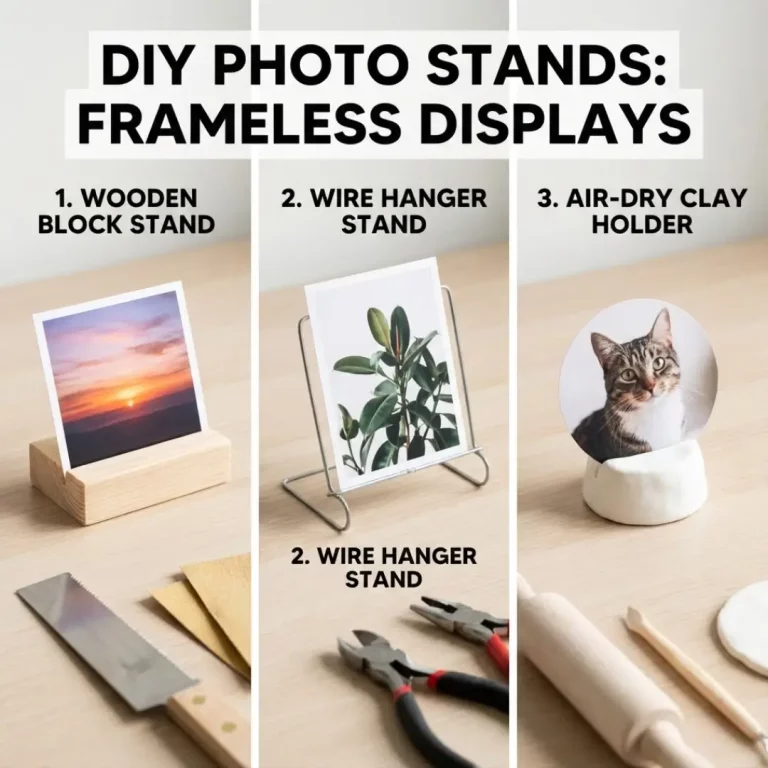
One of the biggest advantages of tabletop displays is how easy they are to change. You don’t need to patch drywall or re-level hooks. If you get bored with a photo, you simply pick up the frame and move it to a different room. This flexibility is great for seasonal decor or for those who love to refresh their space often.
3. Adding Layers and Texture
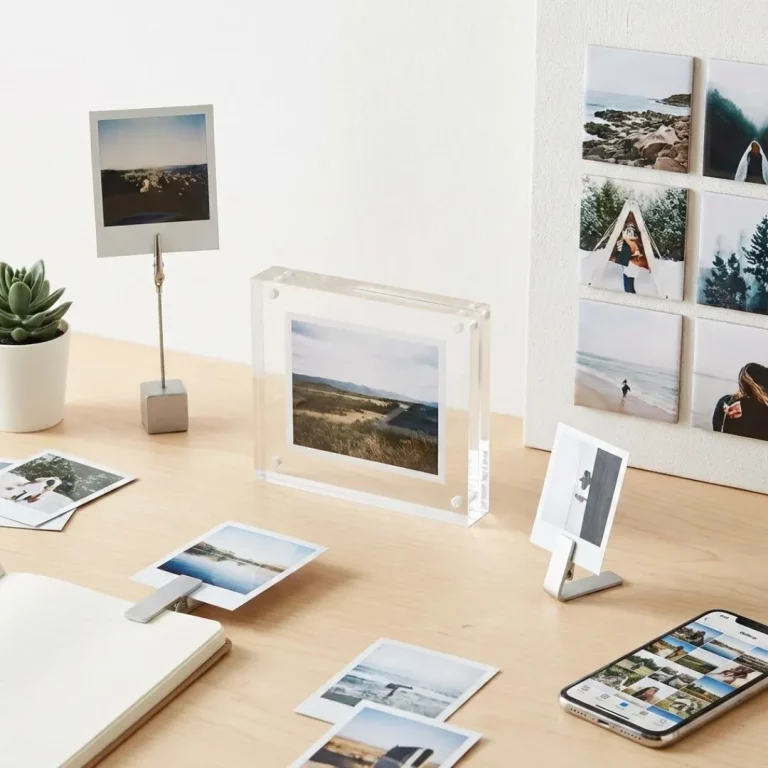
Tabletop frames contribute to the “vignette” of a room. They can be layered with books, candles, plants, and other decor items to create a cozy, lived-in feel. An acrylic photo block, for instance, adds a modern, glossy texture to a wooden shelf. This is a key element in home office wall art and desk setups, where personal touches boost productivity.
Best Locations for Tabletop Displays:
- Nightstands: Ideally suited for personal family photos.
- Mantels: Great for layering multiple frames of different heights.
- Office Desks: Perfect for keeping loved ones close while you work.
- Bookshelves: Breaks up the monotony of book spines.
Comparing the Two: A Quick Guide
To help you decide on a tabletop vs wall photo display, let’s look at a direct comparison of features.
| Feature | Wall Display | Tabletop Display |
|---|---|---|
| Size Capacity | Large to Extra Large | Small to Medium (up to 8×10) |
| Installation | Requires nails, hooks, or anchors | Zero installation required |
| Flexibility | Low (holes in wall) | High (move anytime) |
| Viewing Distance | From across the room | Up close and personal |
| Space Usage | Vertical wall space | Horizontal surface space |
| Best For | Statement art, collages, landscapes | Portraits, snapshots, layered decor |
How to Choose the Right Option for Your Photo
Still stuck? Let the photo itself guide your decision. Not every image works in every format.
Consider the Resolution
High-resolution images look fantastic blown up on a wall. However, if you have a photo from a phone that might be a bit grainy, a smaller tabletop frame is much more forgiving. You can use online tools to design a photo collage online for smaller prints that look sharp on a desk.
Consider the Subject Matter
- Formal Portraits: These often look best on the wall, perhaps as a focal point in a dining room or living room.
- Casual Snapshots: Candid photos from a birthday party or a weekend trip feel right at home in a tabletop frame.
- Milestones: A “First Year” baby collage is adorable on a nursery wall. You can create a baby photo collage on acrylic for a modern, durable keepsake.
Consider the Room Function
- High-Traffic Areas: In narrow hallways or busy kitchens, wall displays are safer. Tabletop frames can easily be knocked over in these zones.
- Rental Properties: If you are renting and can’t drill holes, tabletop displays are your best friend. However, you can also explore options for acrylic wall art for rentals that use adhesive strips to avoid damage.
Innovative Display Options
You don’t always have to choose strictly between a traditional frame on a nail or a frame on a shelf. Modern printing technology has blurred the lines.
Acrylic Blocks
These are thick, freestanding blocks of acrylic with the photo printed on the back. They are sturdy enough to stand on a table but have the high-end look of a gallery mount. They are also incredibly durable, making them a great alternative to glass frames. You might even consider them if you are debating acrylic wall plaque vs. frames for awards, as blocks can serve a similar purpose on a desk.
Leaning Wall Art
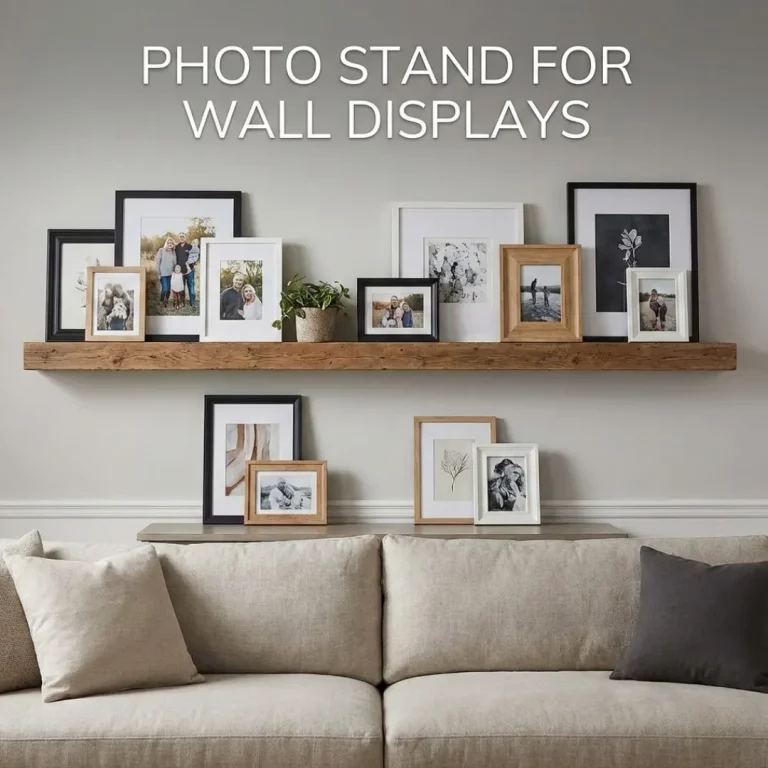
A trendy middle ground in the tabletop vs wall photo display debate is the “leaning” method. This involves placing large, framed art on the floor or a console table and leaning it against the wall. It gives you the scale of wall art with the flexibility of a tabletop display.
Conclusion
Ultimately, the choice between a tabletop vs wall photo display depends on the specific photo and the specific room. There is no rule that says you have to pick just one. In fact, the most beautifully designed homes use a mix of both.
Use your walls to make bold statements and tell big stories. Use your tables and shelves to add layers of intimacy and warmth. By balancing these two display methods, you create a home that feels both curated and deeply personal. So, look at that empty space, consider your favorite photo, and choose the display that lets it shine.
Frequently Asked Questions (FAQ)
Q: Can I put a large photo on a tabletop?
A: Generally, frames larger than 8×10 inches are too heavy and bulky for standard tabletops. They can dominate the furniture and are prone to tipping over. If you want to display a large photo without hanging it, try leaning it against the wall from the floor or a sturdy mantel.
Q: How high should I hang wall art?
A: A good rule of thumb is to hang the center of the artwork at eye level, which is usually about 57 to 60 inches from the floor. For detailed tips on placement, check out our guide on wall art hanging height.
Q: Are there tabletop options that don’t use glass?
A: Yes! Acrylic photo blocks and metal prints with easel backs are excellent glass-free options. They are durable, shatter-resistant, and offer a modern look without the glare of glass.
Q: How do I create a cohesive look with both wall and tabletop displays?
A: Try to coordinate the frame styles or materials. If you have black frames on your gallery wall, use black frames on your side tables. Alternatively, you can unify them by theme, such as using black-and-white photography for both.
Q: Is it okay to mix digital frames with printed photos?
A: Absolutely. A digital frame on a mantel is a great way to cycle through hundreds of candid shots, while your wall displays can be reserved for your absolute favorite, high-quality “forever” photos.
Q: What is the best display for a dark room?
A: For wall displays in dark rooms, consider acrylic prints. The light refracts through the acrylic, making the image appear brighter and more vibrant than a traditional canvas or matte print.
Q: Can I use wall art in a business setting?
A: Yes, wall art is crucial for setting the tone in a business. Large wall displays work well in lobbies, while tabletop displays are better suited for individual desks or reception counters. See our ideas for acrylic wall art for business for more inspiration.