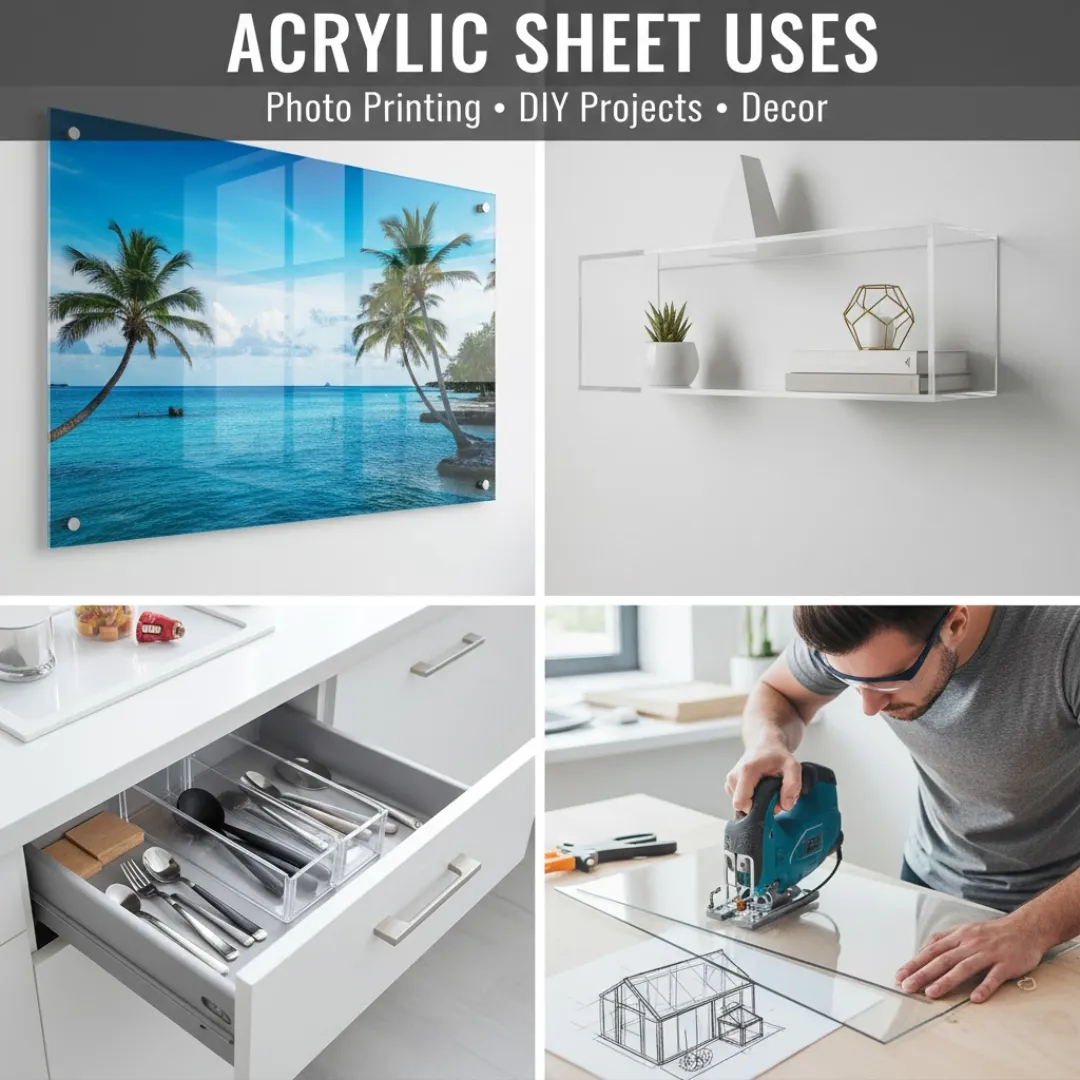
When you think of an acrylic sheet, you might picture a simple, clear piece of plastic. It’s often seen as a modern, shatterproof substitute for glass. But its potential goes far beyond just replacing a windowpane. This remarkably versatile material has become a favorite for artists, designers, and DIY enthusiasts for a good reason.
From creating high-end, gallery-quality photo prints to building custom shelves and tabletops, the list of acrylic sheet uses is incredibly diverse. The problem is, many people don’t realize just how adaptable and user-friendly this material can be. You might have a creative idea but feel unsure if acrylic is the right choice or how to work with it.
This guide will unlock the creative potential of acrylic sheets. We’ll explore their most popular applications, from professional printing to exciting home projects, giving you the confidence to use this material to bring your own ideas to life.
What is an Acrylic Sheet?
An acrylic sheet, also known by trade names like Plexiglass or Lucite, is a transparent thermoplastic. It looks like glass but is about half the weight and many times more impact-resistant. This unique combination of clarity and durability makes it one of the most widely used plastics in the world.
Key Properties of Acrylic:
- Optical Clarity: High-grade acrylic allows up to 92% of visible light to pass through it, making it clearer than glass.
- Durability: It is shatter-resistant, making it a safer alternative in high-traffic areas or homes with children.
- Lightweight: Its low density makes it easy to handle, transport, and install.
- Workability: Acrylic can be easily cut, drilled, bent, and polished with standard workshop tools.
- Weather Resistance: It stands up well to sunlight and weather, making it suitable for both indoor and outdoor applications.
Professional Acrylic Sheet Uses: Photo Printing
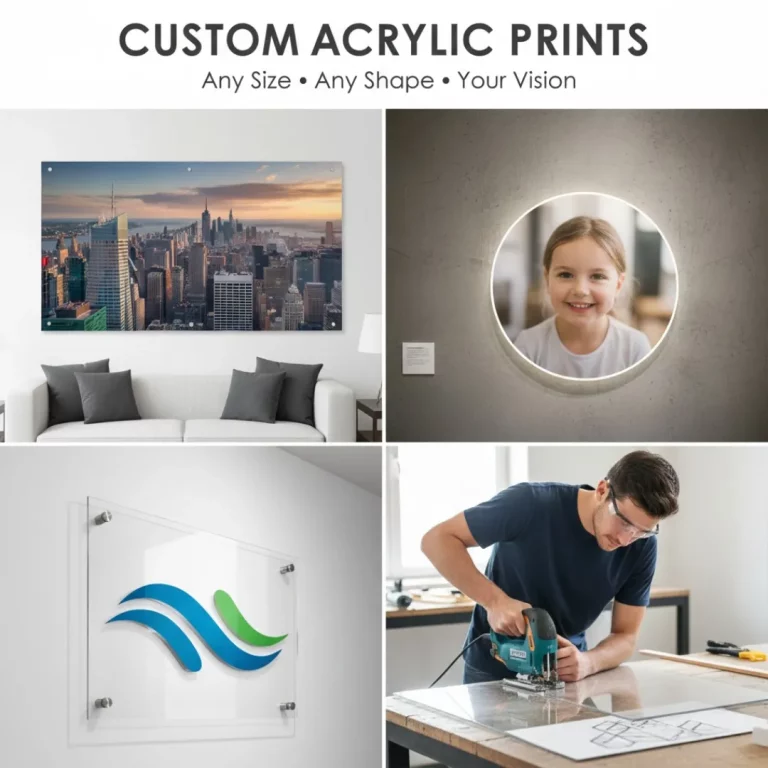
One of the most popular and visually stunning acrylic sheet uses is in the world of photography and art. Printing a photo directly onto or mounting it behind a sheet of acrylic creates a piece with incredible depth and vibrancy.
How Acrylic Photo Printing Works
There are two main methods for creating acrylic prints:
- Direct Printing: A specialized flatbed printer applies UV-cured ink directly onto the surface of the acrylic sheet. This method is highly durable and great for signage.
- Face Mounting: The photograph is first printed on high-quality photo paper and then bonded to the back of the acrylic sheet using an optically clear adhesive. This method is often preferred for fine art as it offers maximum sharpness and color richness.
Why Acrylic is Superior for Photos
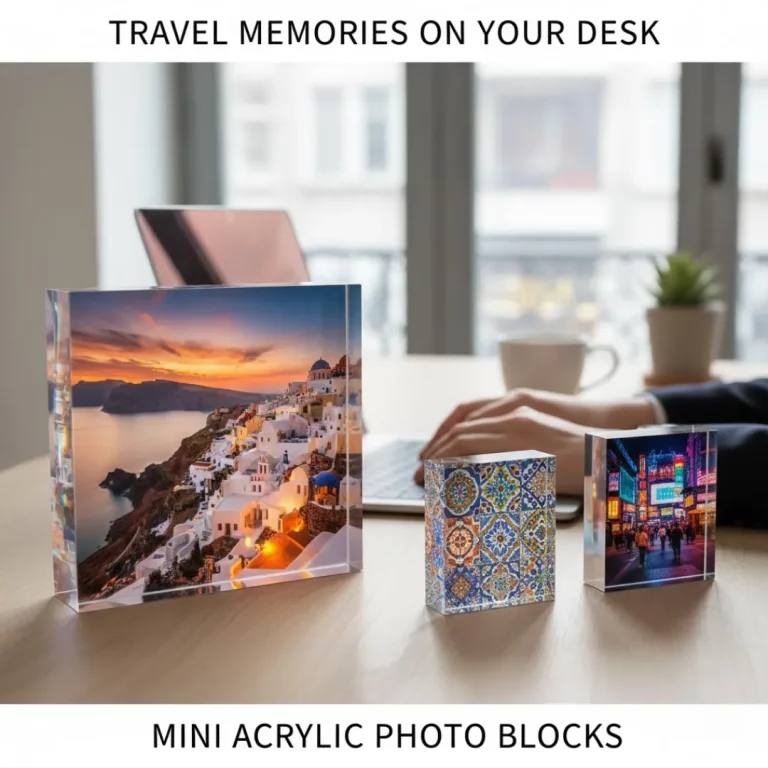
The glossy surface and crystal clarity of the acrylic sheet make colors pop. Light refracts within the acrylic, giving the image a luminous, almost 3D quality. This is why it has become the go-to material for high-end displays, from professional galleries to modern acrylic wall art for business interiors. If you have a collection of photos you want to display, creating a travel photo collage on acrylic can turn scattered memories into a single piece of art.
DIY Acrylic Sheet Uses for Home Decor
Beyond professional printing, acrylic sheets are a dream material for DIYers. Their workability allows you to create custom pieces that are both beautiful and functional.
1. Custom Shelving
Glass shelves can be heavy and dangerous if they break. Acrylic shelves are lightweight, safe, and provide a clean, “floating” look that is perfect for modern bathrooms, kitchens, or living rooms. The clear material doesn’t add visual clutter, making it ideal for displaying decor without overwhelming the space.
2. Table and Desk Protectors
Protect a beautiful wood dining table or office desk from scratches and spills with a custom-cut acrylic sheet. It’s a simple, non-invasive way to preserve your furniture while still allowing the beauty of the wood grain to show through.
3. DIY Greenhouse Panels
For the avid gardener, acrylic sheets are a fantastic alternative to glass for a small greenhouse or cold frame. They offer great light transmission, better insulation than glass, and won’t shatter during a hailstorm.
4. Custom Picture Frames
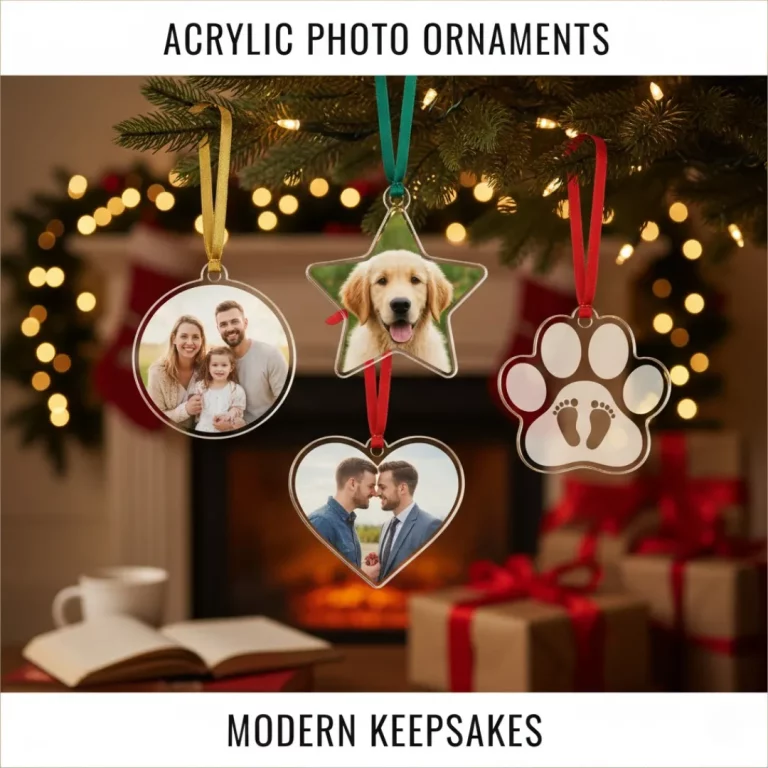
While you can buy pre-made acrylic frames, you can also create your own. A popular DIY project is a “floating frame,” where you sandwich a photo or piece of art between two acrylic sheets held together with standoff bolts. This is a great way to frame prints or even create a unique display for a wedding collage print.
Practical and Organizational Acrylic Sheet Uses
Acrylic’s versatility extends to practical, everyday solutions that help organize your life.
| Project | Description | Why Acrylic Works Best |
|---|---|---|
| Drawer Dividers | Custom-cut strips of acrylic create neat compartments in kitchen or office drawers. | It’s easy to cut to exact dimensions and the clear material lets you see everything. |
| Whiteboards | A sheet of white or clear acrylic mounted on a wall works as a sleek, modern dry-erase board. | The non-porous surface is easy to clean and won’t “ghost” like cheap whiteboards. |
| Desktop Organizers | Build custom holders for pens, paper, and other office supplies. | You can design it to fit your exact needs, unlike store-bought organizers. |
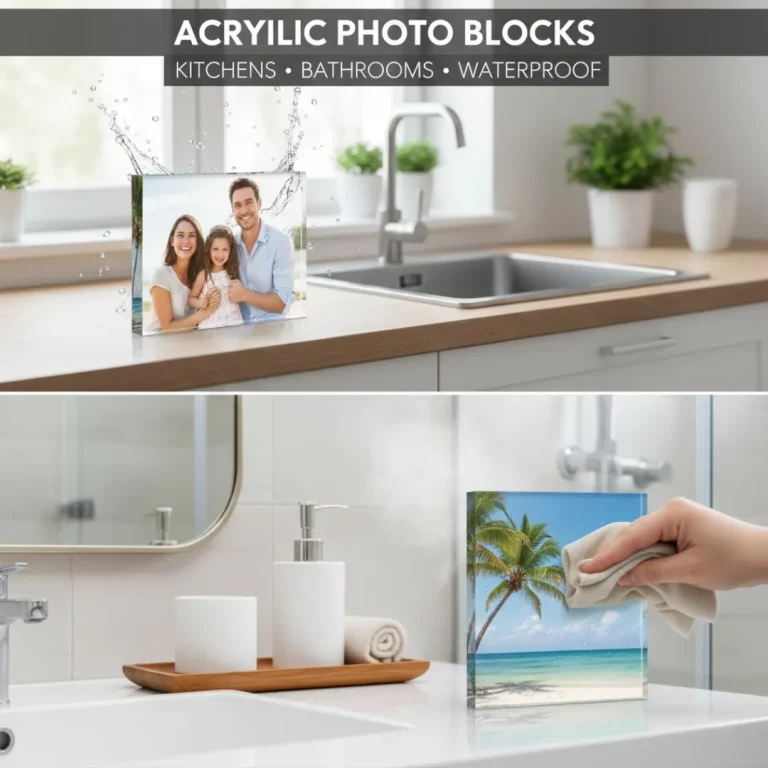
| Splashbacks | A colored or clear acrylic sheet behind a kitchen sink or stove is a modern, grout-free backsplash. | It’s waterproof, easy to wipe clean, and can be installed in a single sheet. |
These practical acrylic sheet uses show how the material can solve everyday problems with a touch of style. Many of these ideas can be created with simple tools, making them accessible even for novice DIYers. If you’re looking for inspiration, checking out guides on top 5 free online photo collage makers for 2025 can help you design graphics for your projects.
Conclusion
From the gallery wall to the garden shed, the range of acrylic sheet uses is limited only by your imagination. This durable, clear, and lightweight material offers a modern alternative to glass with far more creative flexibility. It empowers professionals to create stunning art and DIYers to build custom, functional pieces for their homes.
Whether you are looking to print a cherished photo with breathtaking depth or tackle your next home improvement project, consider the power of acrylic. Its blend of beauty and practicality makes it one of the most valuable materials in any creative toolbox.
Frequently Asked Questions (FAQ)
Q: Can I cut an acrylic sheet at home?
A: Yes. For thin sheets (1/8″ or less), you can score it with a utility knife and snap it along the line. For thicker sheets, a circular saw or jigsaw with a fine-toothed blade designed for plastic works best. Always wear safety glasses when cutting.
Q: Does acrylic scratch easily?
A: Acrylic is softer than glass and can be scratched. It’s important to use soft cloths (like microfiber) for cleaning. However, unlike glass, minor scratches on acrylic can often be polished out with a special-purpose plastic polish.
Q: Will acrylic turn yellow in the sun?
A: High-quality cast acrylic contains UV stabilizers that prevent it from yellowing for many years. Cheaper, extruded acrylic may yellow over time with prolonged sun exposure, so it’s important to choose the right type for your project.
Q: How do I clean an acrylic sheet?
A: Use a soft cloth with mild soap and warm water. Never use ammonia-based cleaners (like Windex) or abrasive pads, as these can damage the surface and cause it to become cloudy.
Q: Is acrylic expensive?
A: The cost of acrylic varies by thickness and type (cast vs. extruded). It is generally more expensive than standard glass but offers significant benefits in safety and weight. The long-term value from its durability often makes it a cost-effective choice. Reviewing a photobook pricing comparison can give you an idea of how material choices impact cost in finished products.
Q: Can acrylic be bent into curves?
A: Yes, acrylic becomes pliable when heated. You can use a heat gun to gently warm a strip of acrylic and then bend it around a form to create curves. This is a popular technique for making things like custom display stands.
Q: What is the difference between cast and extruded acrylic?
A: Cast acrylic is made by pouring liquid acrylic between two sheets of glass, resulting in a harder, more scratch-resistant sheet. Extruded acrylic is pushed through rollers, which makes it less expensive but also softer. For projects requiring high clarity and durability, like photo printing, cast acrylic is preferred. Reviewing different photobook print quality platforms can highlight the importance of material quality.