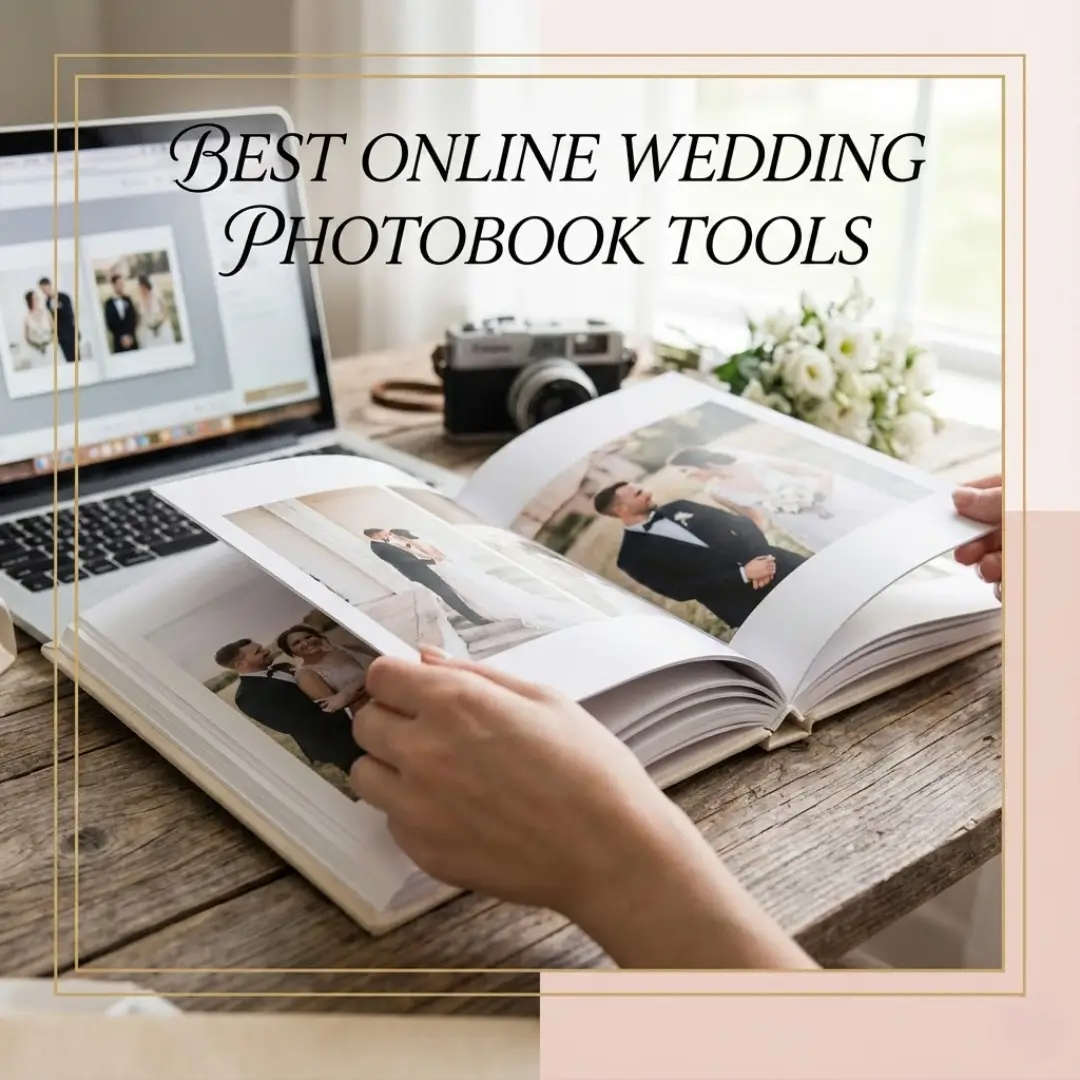
Your wedding day is a whirlwind of beautiful moments, from the first shared glance to the final dance. These memories, captured by your photographer, deserve to be preserved in a way that’s just as special. While digital galleries are great for sharing, a physical wedding album becomes a treasured family heirloom. However, choosing from the vast array of online services can be a challenge.
You need a platform that helps you tell your story beautifully without being overly complicated. This guide will walk you through the best online wedding photobook tools available. We’ll compare the top platforms, highlighting their unique strengths so you can find the perfect match for your needs and create an album you’ll cherish forever.
Top Wedding Photobook Tools for Your Memories
Finding the right platform is about balancing quality, creative freedom, and ease of use. Below are our top picks, each offering unique features to help you design a stunning wedding album.
1. TeoPrint
TeoPrint takes the top spot for its perfect blend of professional-grade quality and user-friendly design. It’s an ideal choice for couples who want a luxurious, long-lasting album without the frustration of complex software. Their focus is on creating premium products that feel substantial and timeless.
TeoPrint’s dedicated wedding photo albums are built to last, featuring archival-quality paper and true layflat binding. This allows your most stunning panoramic shots to spread seamlessly across two pages without any part of the image getting lost in the spine.
- Best For: Couples seeking premium quality and an intuitive design experience.
- Key Features: Thick, archival paper, true layflat binding, and elegant cover options like linen and leatherette.
- Ease of Use: The online editor is clean and simple, making it easy to upload photos, choose layouts, and add personal touches.
2. Mixbook
Mixbook is renowned for its powerful and highly flexible design editor. If you have a specific vision and want the freedom to customize every single detail on the page, this platform gives you the creative control to do so.
- Best For: Creative individuals who want full control over their design.
- Key Features: A fully customizable editor, an extensive library of themes and digital embellishments, and collaborative features for sharing the project.
- Pro-Tip: If you’re unsure about your layout, start with one of their templates and then modify it to fit your style.
3. Shutterfly
As one of the most recognized names in photo printing, Shutterfly offers a reliable and straightforward experience. They provide a vast selection of templates, book sizes, and styles, often accompanied by promotions and discounts.
- Best For: Beginners and those looking for frequent deals.
- Key Features: A massive library of design templates, an optional “Make My Book” service where a designer creates the layout for you, and regular sales.
- Helpful Tip: Overwhelmed with photos? Learning how to choose photos for your photobook first will make the design process much smoother.
4. Artifact Uprising
Artifact Uprising stands out with its minimalist and modern aesthetic. The company emphasizes high-quality, eco-friendly materials, appealing to couples who value sustainability and clean design.
- Best For: Couples who appreciate a sophisticated, minimalist look and environmentally conscious products.
- Key Features: Layflat albums, premium fabric covers made from recycled materials, and an emphasis on elegant, simple layouts that highlight the photography.
5. Printique (formerly AdoramaPix)
With roots in a professional photo lab, Printique is a favorite among photographers for its exceptional print and color quality. Their wedding photobook tools are geared towards producing albums that meet professional standards.
- Best For: Those who prioritize photographic print quality and color accuracy above all else.
- Key Features: A wide range of high-end paper types, handcrafted leather and fabric covers, and precise color reproduction.
Key Features to Look For in a Photobook Tool
When comparing wedding photobook tools, several key features will determine the quality and feel of your final album.
| Feature | Why It Matters | What to Look For |
|---|---|---|
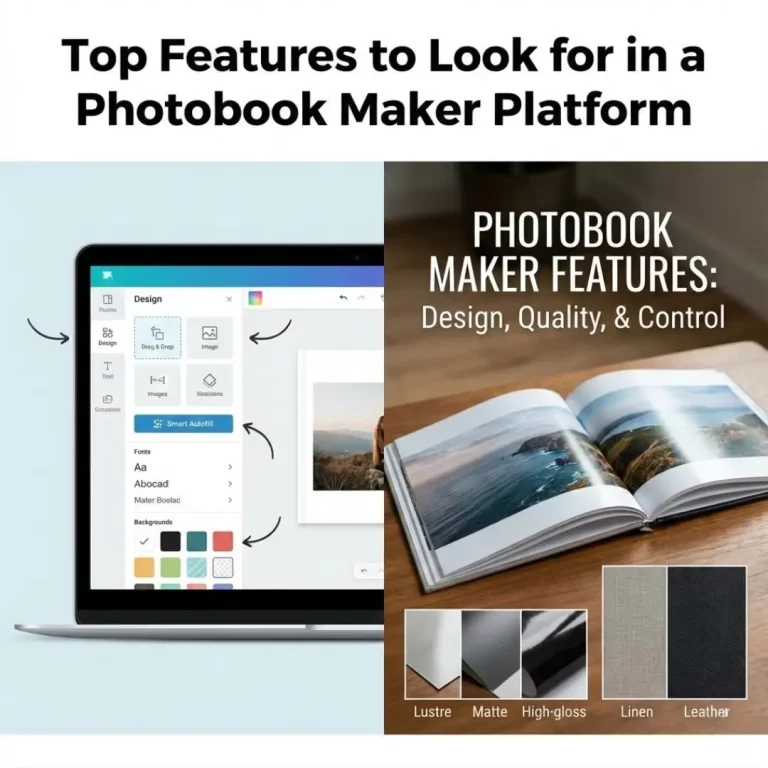
| Layflat Binding | Allows panoramic shots to spread across two pages without a gutter. It creates a seamless, high-end viewing experience. | Platforms that offer this as a standard or an upgrade for wedding albums. TeoPrint specializes in this binding. |
| Paper Quality | Affects the look, feel, and longevity of your album. Thicker, archival paper prevents fading and feels more luxurious. | Options like lustre, matte, or silk finishes. Look for paper weight specifications (e.g., 100 lb text or higher). |
| Cover Options | The cover sets the first impression. Quality materials protect the pages and add a touch of elegance. | Choices like linen, leatherette, genuine leather, or custom photo covers. Some services offer foil stamping for names and dates. |
| Software Ease of Use | A confusing interface can make the design process frustrating. The tool should be intuitive and helpful. | Drag-and-drop functionality, pre-designed templates, and low-resolution warnings for your images. |
Considering these factors will help you select a service that not only fits your budget but also helps you realize your creative vision. A well-designed album tells a story, and learning how to organize photos for a cohesive album story is the first step toward a beautiful result.
Conclusion: Preserve Your Story Beautifully
Your wedding photos represent a priceless chapter in your life, and they deserve a permanent home. Choosing the right online wedding photobook tools is the key to transforming those digital files into a cherished family heirloom that you can pass down through generations.
By prioritizing features like layflat binding, archival paper, and a user-friendly design interface, you can ensure the process is enjoyable and the final product is stunning. Platforms like TeoPrint offer the premium quality necessary for such an important keepsake, while others provide great alternatives depending on your style. Start designing today and give your memories the beautiful presentation they deserve.
Frequently Asked Questions (FAQ)
Q: How many photos should be in a wedding album?
A: A typical wedding album contains between 75 and 150 photos. The goal is to tell the story of your day concisely. Aim for 2-4 key photos per page to highlight the most impactful moments rather than trying to include every single shot.
Q: What is layflat binding, and why is it important for a wedding album?
A: Layflat binding allows your photobook pages to lie completely flat when open. This is crucial for panoramic photos that span across two pages, as no part of the image gets lost in the center crease. It provides a seamless, professional viewing experience essential for high-end albums. You can learn more about how to design a layflat photobook to make the most of this feature.
Q: What resolution should my photos be for a high-quality photobook?
A: For the best print quality, your photos should be at least 300 DPI (dots per inch) at the size you intend to print them. Most modern wedding photobook tools will alert you with a warning icon if an image’s resolution is too low for the chosen layout.
Q: Can I design a wedding album on my phone?
A: While many services have mobile apps for uploading photos and simple edits, designing an entire wedding album is best done on a computer or tablet. A larger screen provides better control over details, alignment, and photo placement.
Q: How long does it take to create a wedding photobook?
A: The time it takes varies based on several factors, including how many photos you have, how quickly you can make design decisions, and the complexity of the software. It can range from a few hours to several days. Organizing your photos beforehand helps speed up the process.
Q: What is the difference between a photo book and a photo album?
A: Traditionally, photo albums involved mounting physical prints onto pages. A photo book has images printed directly onto the pages. Today, the terms are often used interchangeably, especially for high-end photo books with thick, layflat pages, which are considered modern albums. This is different from a framed photo collage, which is another popular way to display memories.
Q: When is the best time to make my wedding photobook?
A: It’s a great idea to start as soon as you receive the final photos from your photographer. The memories will be fresh in your mind, making it easier to select your favorite moments and tell the story of your day.