Fine art photography is more than just a picture; it’s a story, an emotion, and an artist’s vision captured in a single frame. When you decide to bring such a piece into your home, the way you display it is just as important as the art itself. You want a presentation that honors the artist’s intent and elevates the work to gallery-worthy status.
While traditional framing has its place, modern printing methods offer a new level of quality and impact. For collectors and art lovers looking to make a statement, fine art acrylic prints have become the gold standard. This guide will explore why mounting fine art photography on acrylic is the best way to create a breathtaking home gallery.
What Defines Fine Art Photography?
Before diving into printing methods, it’s helpful to understand what makes a photograph “fine art.” Unlike a simple snapshot, fine art photography is driven by the artist’s creative vision. The photographer uses the camera as a tool to create a work of art, focusing on aesthetics, composition, and emotional impact.
Key characteristics often include:
- Artistic Intent: The photo is created to express an idea, a message, or an emotion.
- High Technical Quality: It demonstrates mastery of technical skills, including lighting, focus, and composition.
- Exceptional Post-Processing: The artist uses editing to enhance the image and fulfill their creative vision.
Because so much care goes into creating the image, an equal amount of care should go into printing and displaying it.
Why Acrylic is the Premier Choice for Fine Art Prints
When displaying high-quality photography, the goal is to present the image with as much clarity, vibrancy, and depth as possible. This is where fine art acrylic prints outshine other methods. The process, known as acrylic face mounting, involves printing the image on archival photo paper and then mounting it behind a sheet of polished, gallery-grade acrylic.
This technique offers several distinct advantages for fine art.
1. Unmatched Color Vibrancy and Depth
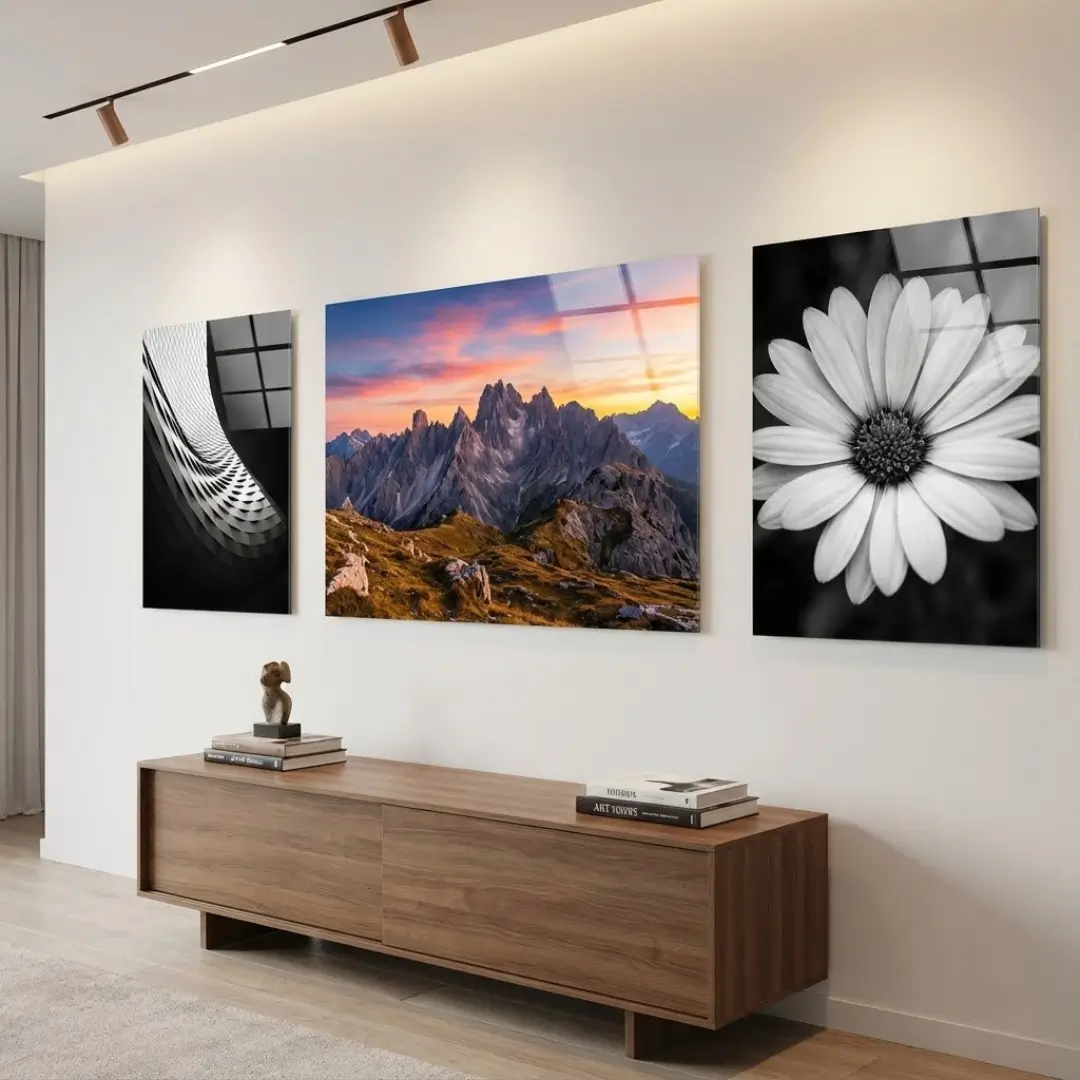
Light passes through the acrylic sheet and illuminates the print from behind, making colors appear more brilliant and saturated than when viewed through glass. The result is a luminous, almost three-dimensional quality that brings the photograph to life. The details are sharper, blacks are deeper, and the overall image has a “pop” that is simply stunning. This makes acrylic a fantastic choice for both color and black-and-white photography.
2. A Modern, Unobstructed View
The frameless design of acrylic prints puts 100% of the focus on the artwork. There is no frame or matting to distract the eye. This clean, minimalist presentation is perfect for contemporary interiors and allows the art to speak for itself. It’s a key distinction when comparing the look of framed vs. unframed photos.
3. Gallery-Level Durability and Protection
Fine art is an investment, and protecting it is crucial. Acrylic provides a superior level of protection.
- UV Resistance: High-quality acrylic can block up to 99% of harmful UV rays, which is the leading cause of fading. This provides excellent UV protection for your wall art.
- Shatterproof: Acrylic is significantly more shatter-resistant than glass, making it a safer option for homes with children or pets, or for shipping large pieces.
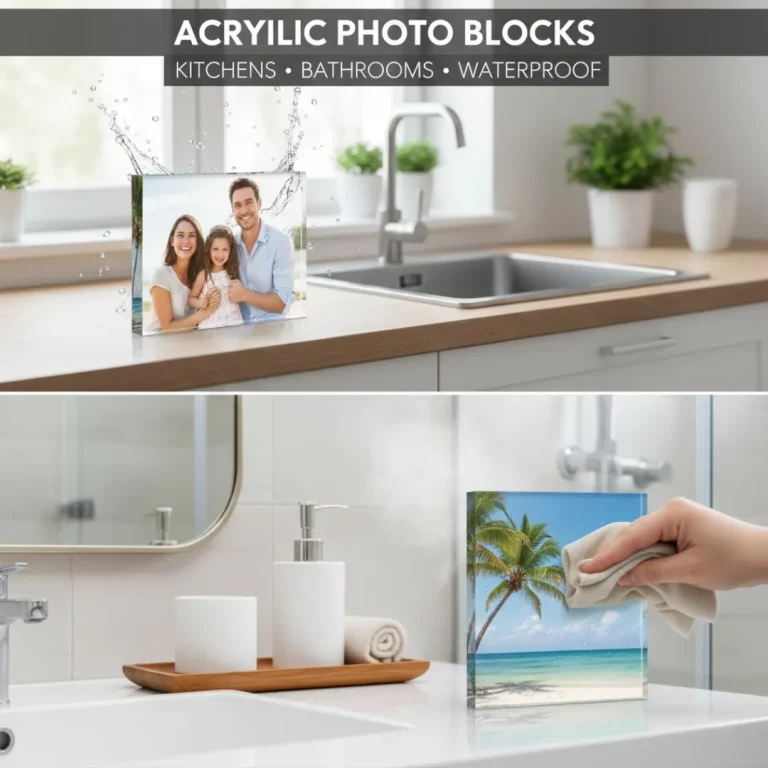
- Moisture and Dust Protection: The face-mounting process seals the print against the acrylic, protecting it from moisture, dust, and airborne pollutants.
4. Versatility in Display
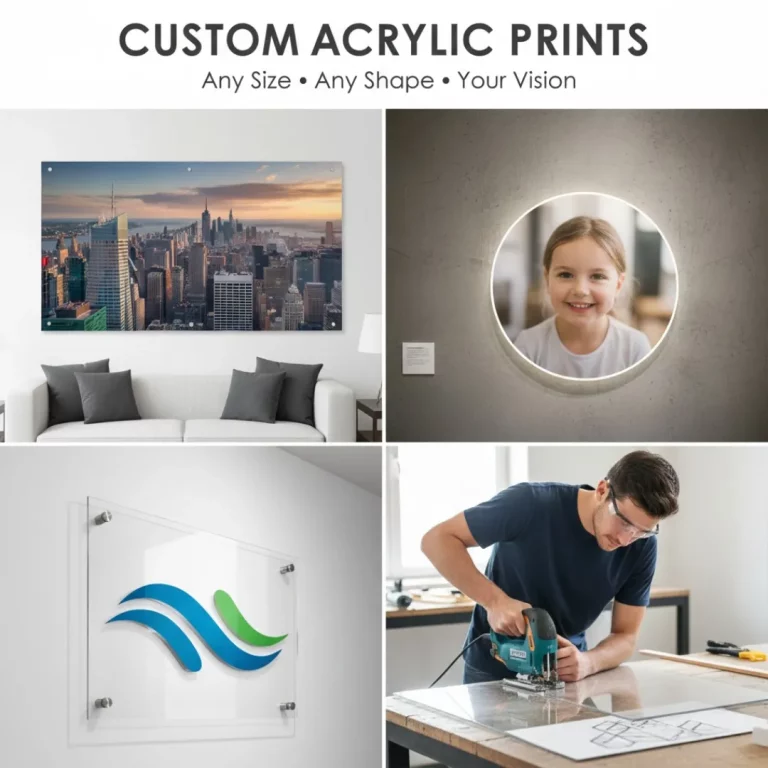
Fine art acrylic prints can be customized to fit any space. They work beautifully as a large, single statement piece that can anchor a room. For example, a massive landscape print can serve as the focal point in a living room. You can also create a multi-panel display, like a triptych, for an even more dramatic effect. For more inspiration, you can look into ideas for office decor with acrylic prints, as the same principles apply to the home.
What Types of Fine Art Photography Work Best as Acrylic Prints?
While almost any high-resolution photograph will look incredible on acrylic, certain genres are particularly well-suited to this medium.
| Photography Genre | Why it Works on Acrylic |
| Landscape & Nature | The depth and vibrancy enhance the natural beauty of sweeping vistas, dramatic skies, and detailed flora. |
| Abstract Photography | Bold colors, textures, and shapes are amplified, creating a high-impact, modern art piece. |
| Macro Photography | The incredible clarity of acrylic highlights the intricate details captured in close-up shots. |
| Night & Astrophotography | The deep blacks and bright points of light in celestial images gain a stunning, luminous quality. |
| Architectural Photography | The clean lines and geometric forms of buildings are sharpened, creating a sleek, contemporary look. |
When you are ready to hang your art, remember that proper placement is key. Following standard frame placement tips will ensure your piece gets the attention it deserves.
Caring for Your Fine Art Acrylic Prints
One of the benefits of acrylic is its low-maintenance nature. Unlike traditional frames that can gather dust in the corners, a frameless acrylic print is easy to care for.
- Use a clean, soft microfiber cloth to gently wipe away any dust.
- For fingerprints or smudges, lightly dampen the cloth with water.
- Never use harsh chemical cleaners (like glass cleaner) or abrasive paper towels, as they can scratch the acrylic surface.
Proper care is essential, just as with any art. You can learn more general tips in our guide to photo frame maintenance.
Conclusion
Fine art photography deserves a presentation that matches its quality and artistic merit. With their ability to enhance color, create depth, and provide superior protection, fine art acrylic prints are the ultimate choice for the modern collector. They transform a photograph into a luxurious object, creating a sophisticated and contemporary home gallery that you can enjoy for decades.
If you’re ready to give your favorite fine art photos the stunning display they deserve, explore our options for creating gallery-quality custom acrylic prints today.
Frequently Asked Questions (FAQ)
Q: Are fine art acrylic prints better than canvas?
A: For fine art photography, acrylic prints are generally considered superior to canvas. They offer much sharper detail, more vibrant colors, and a greater sense of depth. Canvas has a textured surface that can soften details, which may be desirable for painterly images but is less ideal for crisp photography. For a full breakdown, you can compare framing canvas prints vs. acrylic prints.
Q: What is the difference between a regular acrylic print and a fine art one?
A: The difference lies in the quality of the materials and process. Fine art acrylic prints use archival-quality inks and photo paper, gallery-grade acrylic with high UV protection, and a more meticulous mounting process to ensure longevity and the best possible image reproduction.
Q: Can I turn my own photos into fine art acrylic prints?
A: Absolutely! If you have a high-resolution photograph that you love, printing it as a large-format acrylic print is a fantastic way to elevate it to the level of fine art for your own home.
Q: Are fine art acrylic prints heavy?
A: Acrylic is lighter than glass, but large prints can still have significant weight due to the mounting and backing. It’s crucial to use the correct hardware and follow instructions on how to securely hang heavy frames and prints to ensure they are safe.
Q: How long do fine art acrylic prints last?
A: When created with archival materials and displayed properly, fine art acrylic prints can last for 100 years or more without any noticeable fading. The built-in UV protection and the sealed mounting process are key to this incredible longevity.
Q: Is there a non-glare option for acrylic prints?
A: Yes, while the high-gloss finish is popular for its vibrancy, some suppliers offer a matte or non-glare finish for acrylic prints. This can be a great option for rooms with very bright, direct light sources. You can read more about using non-glare acrylic frames to reduce reflections.Q: Where is the best place to hang a fine art acrylic print?
A: The best place is on a focal wall where it can be appreciated without being exposed to constant, direct sunlight. Living rooms, dining rooms, bedrooms, and office spaces are all popular choices. Choose a location where the art can be viewed from a comfortable distance.