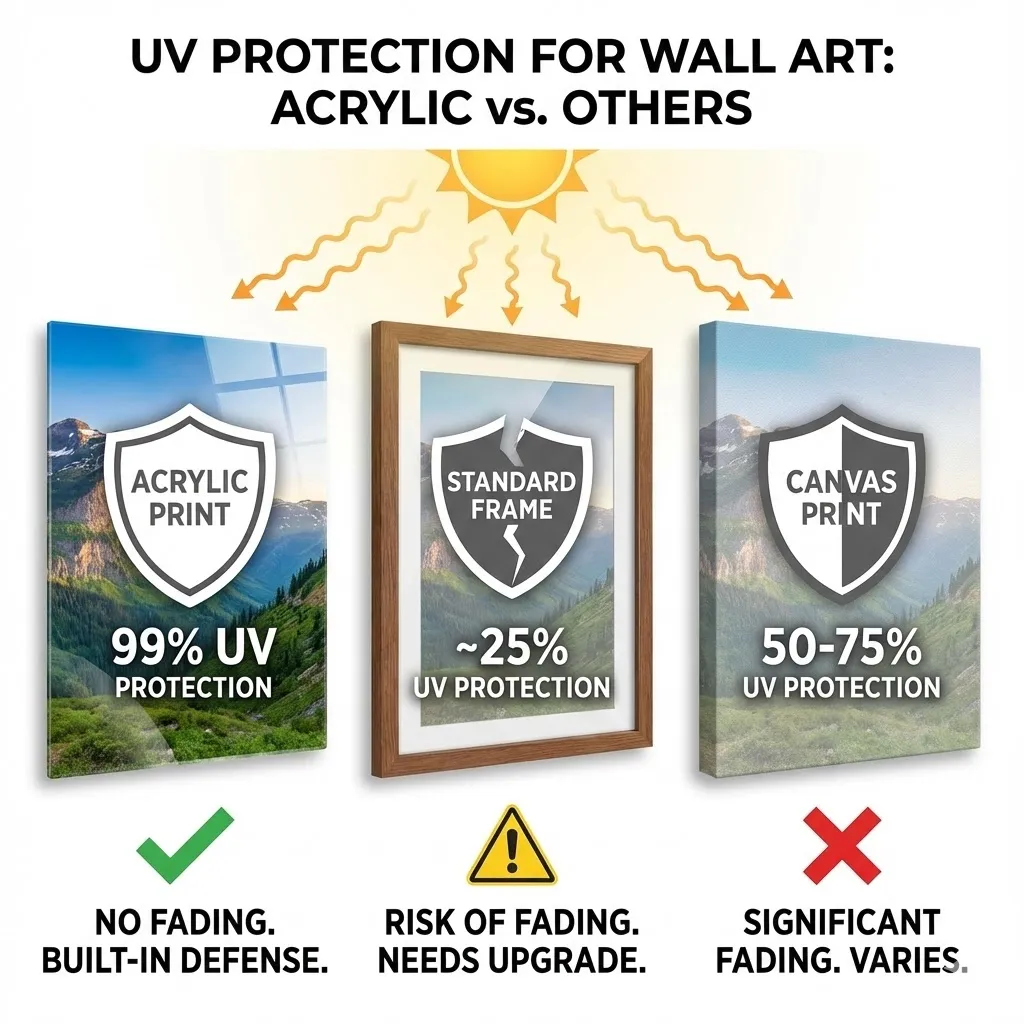
You’ve found the perfect piece of art to complete your room. You hang it in a beautiful, sunlit spot, and for a few months, it looks fantastic. But over time, you notice the once-vibrant colors have started to look dull and washed out. The culprit? Ultraviolet (UV) radiation from sunlight.
Sun damage is the silent enemy of art, causing irreversible fading and degradation. Protecting your investment requires more than just careful placement; it requires choosing the right materials from the start. Providing proper UV protection wall art is essential for longevity.
This guide will explain how sunlight damages art and compare the UV protection offered by different display types, including acrylic prints, traditional frames, and canvas. We’ll show you why some materials are far better at preserving your art for years to come.
How Sunlight and UV Rays Damage Your Artwork
Sunlight is a mixture of different types of light, but the most damaging component is ultraviolet (UV) radiation. These high-energy rays are invisible to the human eye, but they are powerful enough to break down the chemical bonds in the pigments and dyes used in photos and art prints.
This process, known as photodegradation, leads to:
- Fading: Colors lose their vibrancy and appear washed out.
- Color Shifts: Certain colors may fade faster than others, leading to an unbalanced and discolored image. For example, reds and yellows are often the first to go.
- Material Degradation: The paper or canvas itself can become brittle, yellowed, and weak.
Without adequate UV protection wall art, even indirect sunlight from a window can cause noticeable damage in just a few years.
Comparing UV Protection Across Different Art Mediums
When you choose how to display your art, you are also choosing its level of defense against UV rays. Here’s a breakdown of how popular options stack up.
Standard Framed Prints (with Regular Glass)
A traditional frame with standard glass is the most common way to display photos and prints. While it offers a physical barrier against dust and scratches, it provides very little UV protection.
- UV Protection Level: Low (blocks about 25% of UV rays).
- Pros: Widely available and often the most budget-friendly option.
- Cons: Offers minimal defense against fading. Standard glass is also prone to glare and can break easily.
This option is only suitable for art displayed in rooms with no natural light, such as a basement or a hallway without windows.
Framed Prints with UV-Protective Glass or Acrylic
For those who prefer the look of a traditional frame, upgrading the glazing is a smart move. You can replace standard glass with either UV-filtering glass or UV-filtering acrylic.
- UV Protection Level: High (can block up to 99% of UV rays).
- Pros: Allows you to keep the classic framed look while getting excellent protection. You can learn more in this guide to UV frame glass.
- Cons: This is a significant upgrade in cost, often more expensive than the frame itself. The choice between glass vs. acrylic for your frame cover also involves weighing factors like weight and durability.
Canvas Prints
Canvas prints offer a textured, painterly look. The image is printed directly onto a canvas surface, which is then stretched over a wooden frame.
- UV Protection Level: Varies (depends on the protective coating).
- Pros: No glare or reflections. The textured surface can be very appealing for certain types of art.
- Cons: Most standard canvas prints have a liquid laminate applied for protection, but its UV-blocking capability can vary widely. Without a high-quality UV-resistant coating, canvas is highly susceptible to fading. The textured surface can also trap dust. Comparing framed vs. unframed canvas prints adds another layer of consideration.
Acrylic Face-Mounted Prints
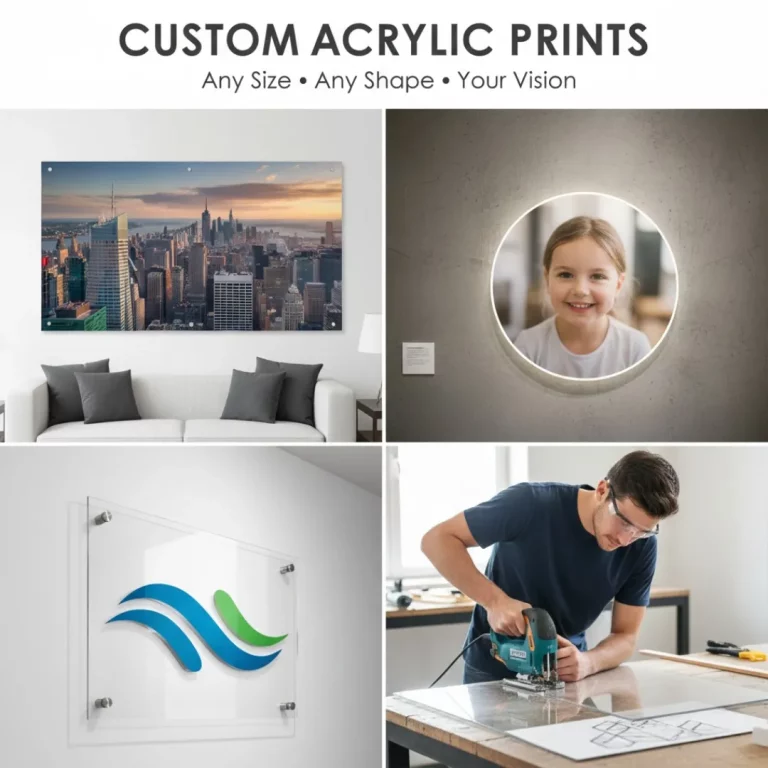
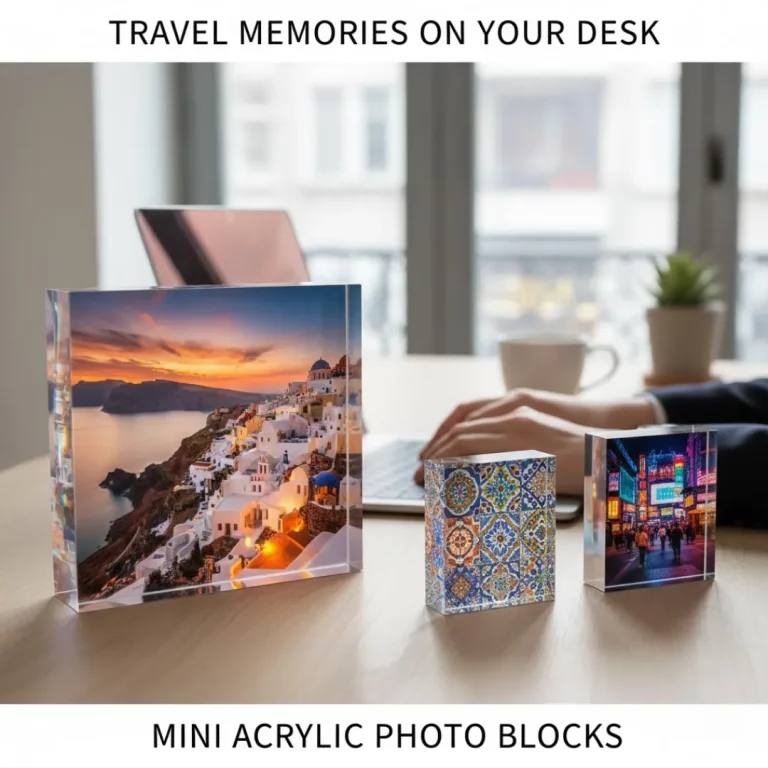
Acrylic prints are created by printing a photo on high-quality paper and then mounting it behind a sheet of acrylic. This process offers a modern aesthetic and, most importantly, excellent built-in UV protection wall art.
- UV Protection Level: Very High (standard high-quality acrylic can block up to 99% of UV rays).
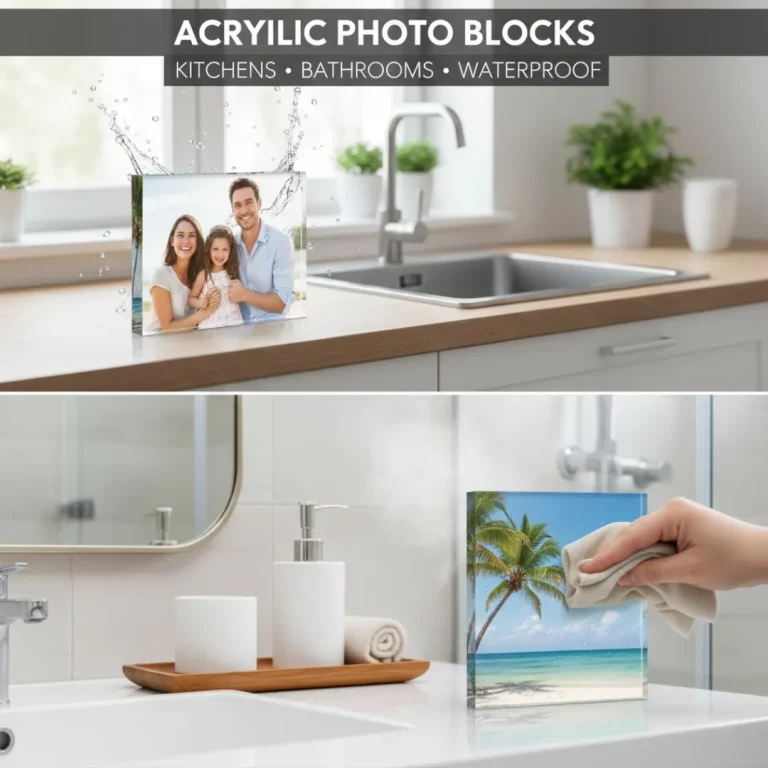
- Pros: The material itself acts as a powerful UV filter, preserving the colors of your print for decades. The mounting process also seals the print from moisture and dust. This makes them a superior choice compared to digital photo frames for permanent display.
- Cons: The initial cost is higher than a standard framed print or a basic canvas print. The glossy surface can create reflections in very bright, direct light.
Comparison Table: UV Protection at a Glance
| Display Type | Typical UV Protection | Aesthetic | Durability |
| Acrylic Print | Up to 99% | Modern, vibrant, frameless | Very High |
| Frame with UV Glass/Acrylic | Up to 99% | Classic, versatile | High |
| Canvas Print | 50-75% (Varies) | Textured, artistic | Moderate |
| Frame with Standard Glass | ~25% | Classic, versatile | Low |
Tips for Protecting All Your Wall Art
Regardless of the medium you choose, you can take extra steps to protect your art.
- Strategic Placement: The best way to prevent sun damage is to avoid direct sunlight altogether. Hang your most valuable pieces on walls that do not receive direct sun at any point during the day.
- Use Window Coverings: Curtains, blinds, or UV-filtering window films can significantly reduce the amount of UV radiation entering a room.
- Rotate Your Art: If you have a collection, consider rotating the pieces on display. This gives each piece a “rest” from light exposure. It’s an easy strategy to use when you’re already swapping photos for seasonal updates.
- Choose Quality Materials: Invest in archival-quality inks and papers. When combined with a UV-protective display method, this gives your art the best possible chance of survival. Always select a quality photo frame shop or supplier.
Conclusion
Protecting your art from sunlight is crucial for ensuring it remains beautiful for a lifetime. While traditional frames and canvas prints have their place, they often fall short in providing adequate defense against harmful UV rays unless you invest in expensive upgrades.
For those seeking the best combination of beauty, durability, and built-in UV protection wall art, acrylic prints are the clear winner. The material naturally filters out almost all damaging UV radiation, preserving the vibrancy and detail of your photos for decades. It’s a modern solution that makes protecting your memories simple and stylish.
Ready to display your art with confidence? Explore our collection of custom acrylic prints and give your photos the protection and presentation they deserve.
Frequently Asked Questions (FAQ)
Q: What is UV protection wall art?
A: UV protection wall art refers to any art display method that uses materials designed to block harmful ultraviolet (UV) radiation from reaching the print. This includes acrylic prints and frames with UV-filtering glass or acrylic, which help prevent fading and discoloration caused by sunlight.
Q: Do all acrylic prints have UV protection?
A: Most high-quality acrylic face-mounted prints offer excellent UV protection, often blocking up to 99% of UV rays. However, quality can vary between manufacturers. It’s always best to confirm the level of UV protection with the printing service before purchasing.
Q: Is UV-protective glass worth the extra cost?
A: If you love the look of traditional frames and plan to hang your art in a room with natural light, then yes, UV-protective glass is absolutely worth the cost. It’s a critical investment to prevent your photos or prints from fading over time.
Q: Can LED lights damage my artwork?
A: Modern LED lights emit very little to no UV radiation, making them the safest lighting option for artwork. Older fluorescent bulbs, however, do emit a significant amount of UV and should be avoided in rooms where you display valuable art.
Q: How can I tell if my art is already faded?
A: Compare a protected area of the print (such as the part hidden under a frame’s mat) with the exposed areas. If the protected area is noticeably more vibrant, your art has likely suffered from sun damage. Unfortunately, this damage is irreversible.
Q: Does hanging art opposite a window cause damage?
A: Yes. Even if direct sunlight doesn’t hit the art, a bright room is filled with reflected UV rays. Art hung opposite a window is still exposed to significant ambient light and is at risk of fading without proper UV protection.Q: Are there eco-friendly options for UV protection?
A: Yes. Some companies offer acrylic and frame options made from recycled or sustainable materials. Additionally, because high-quality UV-protected art lasts much longer, it reduces the need for replacements, making it a more sustainable choice in the long run. Look for information on eco-friendly photo frames for more ideas.