When it comes to displaying your favorite photos, the right presentation can make all the difference. For decades, traditional framed photos have been the go-to choice. But a modern contender, acrylic wall art, has gained immense popularity for its sleek look and vibrant quality. This leaves many people wondering which is the right choice for their space.
Choosing between acrylic wall art vs framed photos depends on your style, budget, and where you plan to hang your art. This comprehensive guide will break down the pros and cons of each option, helping you decide which display method will best showcase your cherished memories and elevate your decor.
What is Acrylic Wall Art?
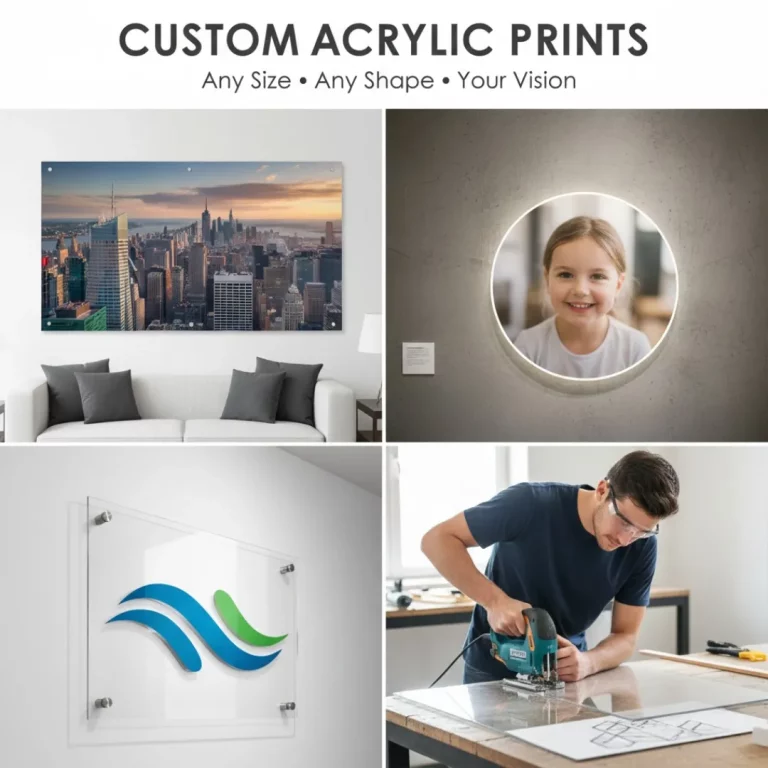
Acrylic wall art involves printing a high-resolution photograph onto professional-grade photo paper. This print is then mounted behind a sheet of polished acrylic, creating a frameless, modern display. The light passes through the acrylic and illuminates the image, giving it a stunning, almost three-dimensional appearance with exceptional color vibrancy.
This method is very different from traditional framing, which encases a print behind a sheet of glass or acrylic within a decorative frame.
The Pros and Cons: Acrylic Wall Art vs Framed Photos
To make an informed decision, it’s essential to compare acrylic wall art vs framed displays across several key factors. Here’s a head-to-head comparison.
Aesthetics and Style
Acrylic Wall Art:
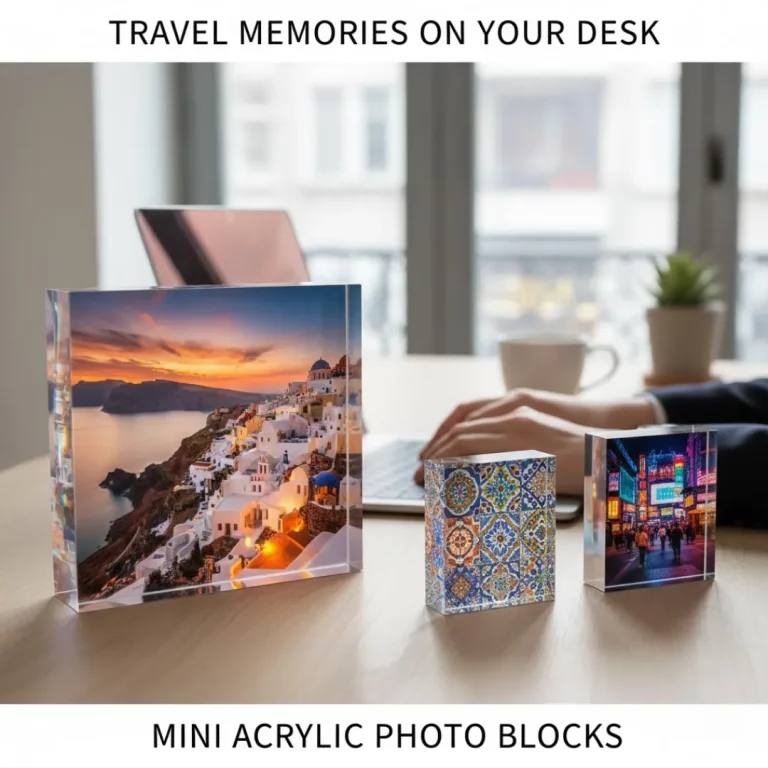
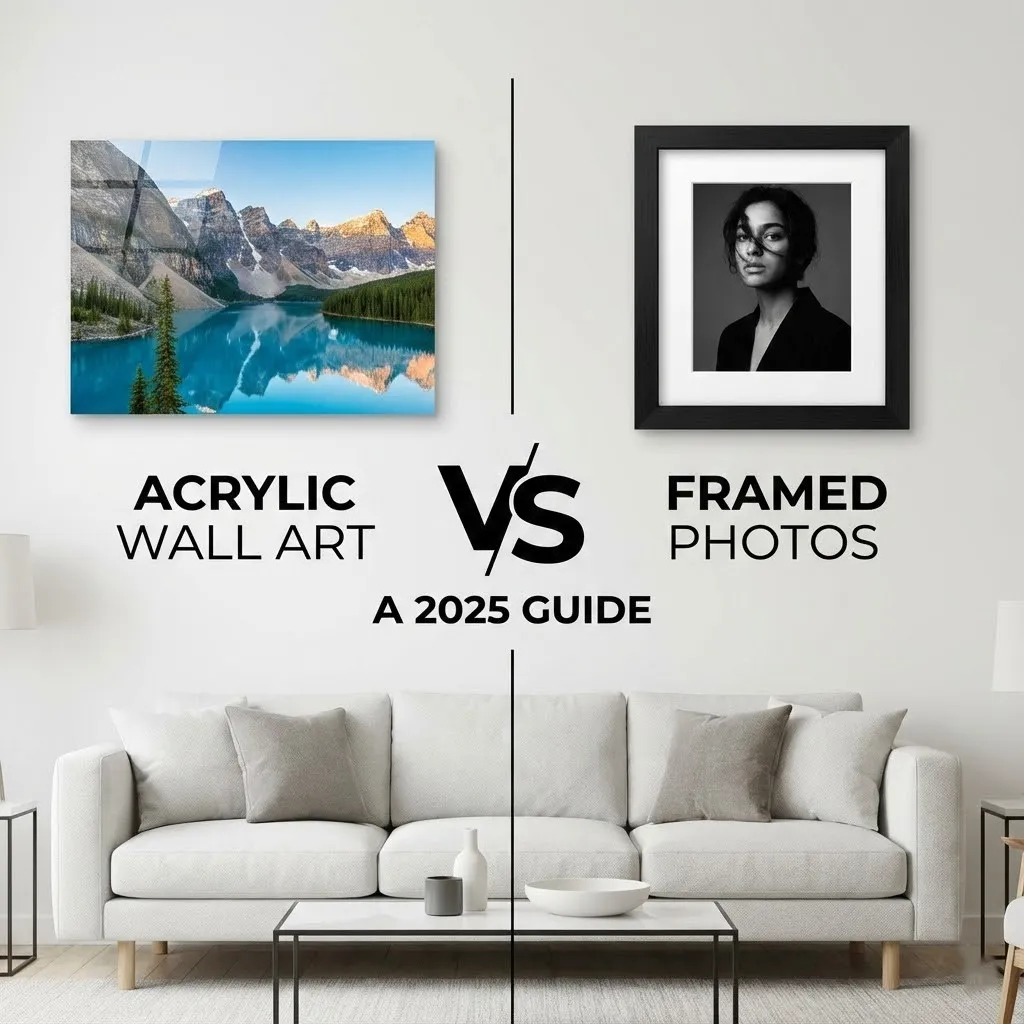
Acrylic prints offer a clean, contemporary, and minimalist aesthetic. The frameless design puts the entire focus on the image itself, creating a powerful, unobstructed statement. This style is perfect for modern, minimalist, or eclectic interiors. There are many stunning ways to use acrylic photo frames to achieve this look.
Traditional Framed Photos:
Framed photos offer immense versatility. With thousands of frame styles available—from ornate and vintage to sleek and modern—you can customize the look to match any decor. Frames add a classic, finished touch and can help tie a piece of art to the room’s existing furniture and color scheme. You can even choose frame colors for your room decor specifically.
Durability and Longevity
Acrylic Wall Art:
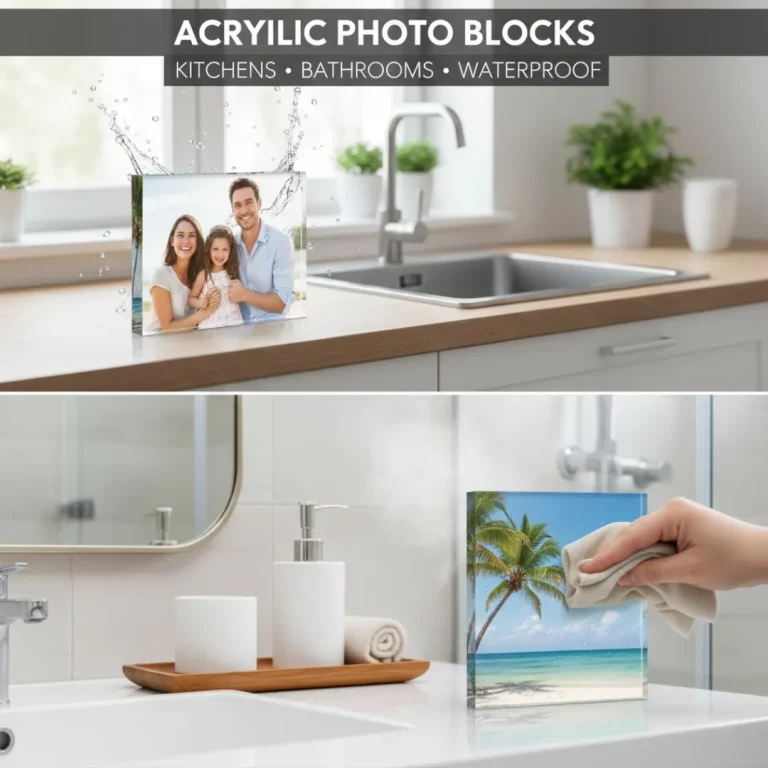
This is where acrylic truly excels. It is shatter-resistant, making it much safer and more durable than glass. High-quality acrylic prints also offer natural UV protection, preventing your photos from fading over time. They are resistant to moisture, making them suitable for display in kitchens or bathrooms.
Traditional Framed Photos:
The durability of a framed photo depends heavily on its components. While you can opt for UV-protective glass, standard glass offers little protection from fading. Glass can also break easily. The frames themselves can be prone to chipping or scratching, especially in high-traffic areas.
Visual Impact and Image Quality
Acrylic Wall Art:
Acrylic prints are known for their incredible vibrancy and depth. The light refracts within the acrylic sheet, making colors appear more saturated and details sharper. The glossy surface enhances the image, giving it a luminous quality that is hard to replicate.
Traditional Framed Photos:
The visual quality of a framed print can be affected by glare and reflections from the glass cover. While you can opt for non-glare acrylic or glass, it often comes at a higher cost. The image quality is excellent, but it may not have the same “pop” as an acrylic print. The use of matting can enhance the presentation but also creates a more traditional feel.
Weight and Hanging
Acrylic Wall Art:
Despite being durable, acrylic is surprisingly lightweight compared to glass. This makes larger pieces easier and safer to hang. Most acrylic prints come with a pre-installed backing frame or mounting hardware, making installation straightforward. However, it’s still important to know how to securely hang heavy prints.
Traditional Framed Photos:
Large framed photos, especially those with glass and ornate frames, can be very heavy. This requires more robust wall anchors and a more involved hanging process. The weight can be a significant consideration for very large pieces or for those who rent their homes.
Cost Comparison
Acrylic Wall Art:
Generally, acrylic prints are more expensive upfront than basic framed photos. The cost is due to the complex printing and mounting process and the price of the materials. However, their durability means you are less likely to need to replace them.
Traditional Framed Photos:
The cost of framed photos can vary dramatically. A simple poster frame can be very inexpensive, while custom framing with high-end materials can cost hundreds of dollars. This makes it a more flexible option for different budgets. When considering cost, it helps to understand the difference between budget vs. luxury frames.
Side-by-Side Comparison Table
To simplify the acrylic wall art vs framed debate, here is a quick summary:
| Feature | Acrylic Wall Art | Traditional Framed Photos |
| Aesthetic | Modern, sleek, frameless | Versatile, classic, customizable |
| Durability | High (shatter & moisture-resistant) | Varies (glass can break) |
| Visual Impact | High vibrancy, depth, and pop | Can have glare, traditional look |
| Weight | Lighter than glass | Can be very heavy, especially large sizes |
| Cost | Higher initial investment | Wide range, from budget to expensive |
| Best For | Modern homes, offices, high-impact art | Any decor style, gallery walls |
Conclusion: Which One Is Right for You?
The choice between acrylic wall art vs framed photos ultimately comes down to your personal taste, your space, and your priorities.
Choose acrylic wall art if:
- You want a modern, sleek, and high-impact look.
- Durability and resistance to moisture are important (e.g., for a kitchen, bathroom, or high-traffic area).
- You want your photo’s colors to look as vibrant and lifelike as possible.
Choose traditional framed photos if:
- You want to match your art to a specific decor style, be it rustic, traditional, or bohemian.
- You enjoy the classic, finished look that a frame and mat provide.
- You are working with a tighter budget or want the flexibility of changing the frame later.
Both options are excellent ways to display photography. By understanding their unique strengths, you can confidently select the perfect style to turn your favorite images into beautiful works of art for your home or office.
Frequently Asked Questions (FAQ)
Q: Are acrylic prints worth the money?
A: For many, yes. While the initial cost is higher, their superior durability, UV protection, and stunning visual quality make them a long-lasting investment that keeps photos looking vibrant for decades.
Q: Can you frame an acrylic print?
A: Yes, you can. While most acrylic prints are designed to be frameless, you can add a “floating” frame. This type of frame leaves a small gap between the edge of the acrylic print and the frame, creating a sophisticated shadow effect. A guide on floating frames for canvas can offer similar principles.
Q: Do acrylic prints look like glass?
A: Acrylic prints have a similar glossy, reflective surface to glass, but they are clearer and lighter. Unlike some types of glass that can have a green tint, acrylic is perfectly transparent, allowing for truer color representation.
Q: Which is better for a gallery wall, acrylic or framed prints?
A: Both can work well. A gallery wall of framed prints offers a classic, eclectic look, especially when mixing frame sizes and orientations. A gallery of acrylic prints creates a very modern, cohesive, and sleek display. The choice depends on the aesthetic you want to achieve.
Q: How do you clean acrylic wall art?
A: Cleaning acrylic prints is simple. Use a soft, clean microfiber cloth to gently wipe away dust. For fingerprints or smudges, you can slightly dampen the cloth with water. Avoid using paper towels or harsh chemical cleaners like Windex, as they can scratch the surface.
Q: Are there alternatives to acrylic and traditional frames?
A: Yes, other popular options include canvas prints, metal prints, and wood prints. Each offers a different aesthetic and level of durability. For instance, acrylic vs. metal prints is another common comparison for those seeking modern wall art.Q: Do acrylic prints cause glare?
A: Like glass, the glossy surface of an acrylic print can cause some glare in direct light. However, the visual benefits of enhanced color and depth often outweigh this. For rooms with very bright, direct lighting, you may consider a print with a matte finish or a traditional frame with non-glare glass.