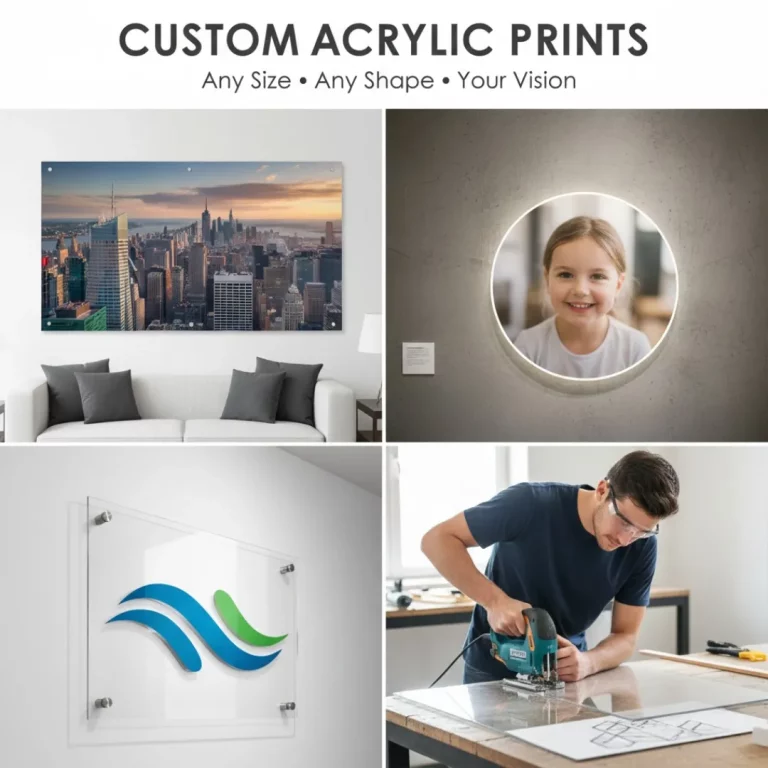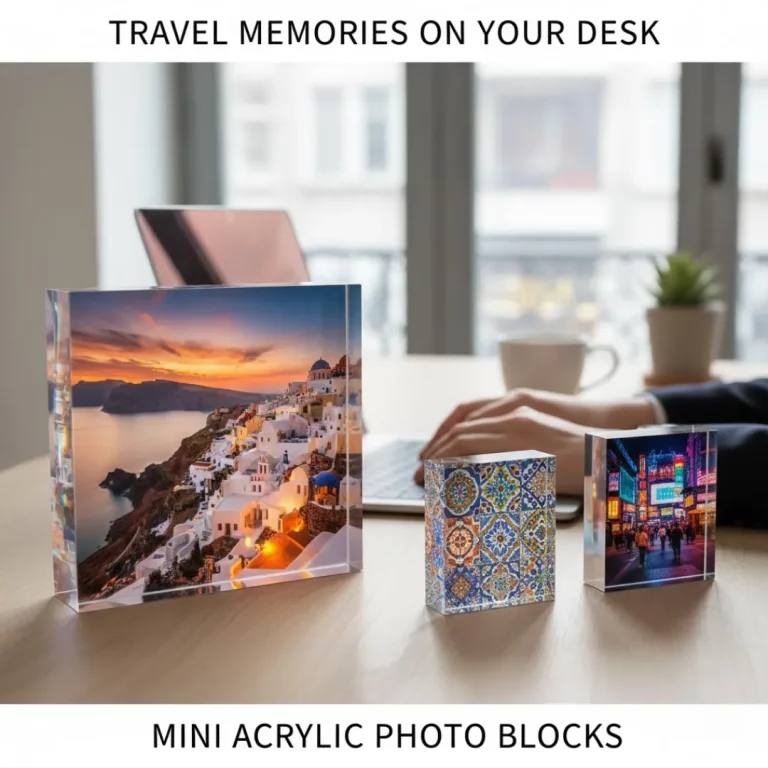
For artists and photographers, a gallery exhibition is a milestone achievement. It’s a chance to share your vision with the world. But curating a show that truly captivates an audience involves more than just creating great art; it’s also about presentation. The medium you choose can dramatically affect how your work is perceived, and many artists struggle to find a modern, professional look that does their images justice.
A gallery exhibit with acrylic prints offers a powerful solution. This medium, where a photograph is mounted directly to a polished acrylic sheet, provides unparalleled vibrancy, depth, and a contemporary finish that can make your artwork pop off the wall. This guide will provide essential tips for artists and curators on how to plan, prepare, and present a stunning exhibition using acrylic prints.
Why Acrylic Prints Are a Top Choice for a Gallery Exhibit
The environment of a gallery demands a certain level of quality and professionalism. Acrylic prints meet and exceed this standard, offering a finish that rivals traditional framing in impact and often surpasses it in modern appeal. The frameless, “floating” appearance puts the focus squarely on the art itself.
Light passes through the acrylic and illuminates the print, creating a luminous quality and a sense of depth that is hard to achieve with other mediums. This visual pop makes a gallery exhibit with acrylic prints feel dynamic and immersive, capturing the attention of viewers from across the room.
Key Advantages for Artists and Curators:
- Stunning Visual Impact: The high-gloss finish enhances color saturation and contrast, making images look rich and vibrant.
- Modern Professionalism: The sleek, borderless presentation is perfect for contemporary photography and art.
- Durability: Acrylic is shatter-resistant and protects the artwork from dust and UV damage, ensuring the pieces remain in pristine condition throughout the show and beyond.
- No Glare Issues (with the right choice): While standard acrylic is glossy, you can opt for non-glare acrylic frames and prints to minimize reflections from gallery lighting.
This printing method truly elevates photographic prints, giving them a presence that commands attention.
Curating Your Show: From Concept to Hanging
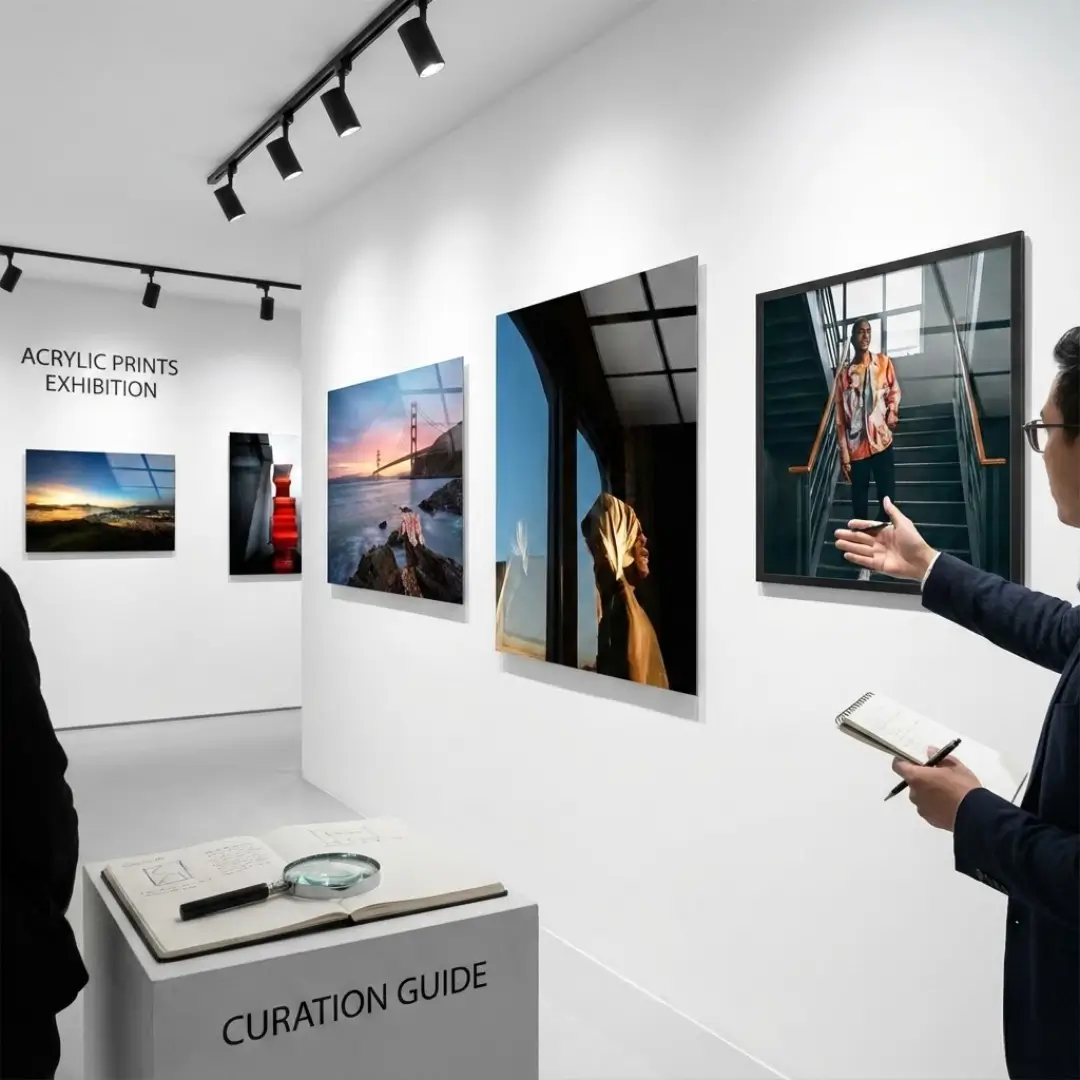
A successful gallery exhibit with acrylic prints requires careful planning. Here’s a step-by-step approach to help you curate a cohesive and impactful show.
1. Develop a Strong Curatorial Theme
Your exhibition should tell a story. Before you select your final pieces, define the central theme or narrative of your show. Are you exploring a particular subject, color palette, or emotional concept? A strong theme will guide your selection process and create a more memorable experience for visitors.
A cohesive theme helps your audience connect with the work on a deeper level, much like how organizing photos in a book can create a compelling album story.
2. Select and Sequence Your Pieces
With your theme in mind, choose the artwork that best communicates your vision. Not every piece you’ve created will fit. Be selective.
- Cohesion: Ensure the selected pieces work together visually and thematically.
- Pacing: Vary the size, orientation, and complexity of the pieces to create a visual rhythm. Mix large statement pieces with smaller, more intimate ones.
- The “Hero” Shot: Identify one or two main focal point images. These are often the strongest pieces that anchor the entire exhibition.
3. Consider Size and Scale
The size of your acrylic prints should be determined by the gallery space and the impact you want to create.
| Wall Type | Recommended Use | Sizing Strategy |
| Feature Wall | Display your main “hero” piece. | One oversized print (e.g., 40×60 inches or larger). |
| Long Wall | Create a narrative flow. | A series of medium-sized prints (e.g., 24×36 inches). |
| Small Wall | Display intimate or detailed work. | A single small print or a diptych of smaller pieces. |
Don’t be afraid to go big. The frameless nature of acrylic prints allows even large and oversized prints to feel sleek rather than bulky.
4. Plan Your Gallery Lighting
Lighting is critical in a gallery exhibit with acrylic prints. The glossy surface can cause glare if not lit properly.
- Use Spotlights: Position adjustable spotlights at a 30-degree angle to the artwork. This is the gallery standard and minimizes glare.
- Avoid Flat, Overhead Lighting: General fluorescent lighting can create distracting reflections and wash out the colors.
- Test the Lighting: Before the show opens, walk through the gallery to check for reflections from every angle and make adjustments as needed.
The Logistics of Hanging Your Acrylic Prints
The final step is the physical installation. Precision is everything. A poorly hung show can undermine the quality of the art itself.
1. Use a Level and Tape Measure: Plan the placement of every single piece before drilling any holes. The standard gallery practice is to hang art so that the center of the piece is at eye level, which is typically 57-60 inches from the floor. Our guide on hanging pictures at eye level provides detailed instructions.
2. Choose the Right Hardware: Acrylic prints are often hung with standoff bolts for a floating effect or a French cleat for a flush mount. Ensure the hardware is rated for the weight of the print. For larger pieces, it’s essential to follow best practices for securely hanging heavy frames and prints.
3. Wear Gloves: When handling the prints, wear soft, clean gloves to avoid getting fingerprints on the surface. If you do get smudges, they can be cleaned with a microfiber cloth.
Conclusion
A gallery exhibit with acrylic prints provides a modern, professional, and visually stunning way to showcase your artistic vision. The depth, clarity, and frameless aesthetic allow your images to take center stage, creating an immersive experience for viewers. By carefully curating your theme, selecting your pieces thoughtfully, and paying close attention to lighting and installation, you can create a show that is both memorable and successful.
Ready to bring your next exhibition to life? Explore our custom acrylic printing services to create gallery-quality pieces that will captivate your audience.
Frequently Asked Questions (FAQ)
Q: Are acrylic prints good for a professional gallery show?
A: Absolutely. Acrylic prints are considered a high-end, professional medium. Their vibrant colors, incredible depth, and modern, frameless look are highly sought after in the fine art world for contemporary photography and digital art exhibitions.
Q: How do you price acrylic prints for sale in a gallery?
A: Pricing art is complex, but a common formula is: (Cost of Materials + Your Time) x 2 = Wholesale Price. Then, Wholesale Price x 2 = Retail Price (the gallery typically takes a 50% commission). Your reputation, the edition size, and the print size also heavily influence the final price.
Q: What is the difference between face-mounted and direct-printed acrylic?
A: In face-mounting, a photographic paper print is adhered to the back of the acrylic sheet, which offers the highest quality and color depth. In direct printing, the image is printed directly onto the acrylic surface. Face-mounting is the preferred method for a professional gallery exhibit with acrylic due to its superior visual quality.
Q: How do you prevent glare on acrylic prints in a gallery?
A: The best way to prevent glare is through proper lighting. Use adjustable spotlights aimed at a 30-degree angle. You can also choose a non-glare or matte finish acrylic, though this may slightly reduce the vibrancy and depth compared to the standard glossy finish.
Q: What is a French cleat mounting system?
A: A French cleat is a secure hanging method that uses two interlocking brackets. One is attached to the wall and the other to the back of the artwork. It distributes weight evenly and is excellent for hanging heavy acrylic prints securely.
Q: Should I offer limited editions of my acrylic prints?
A: Offering limited editions (e.g., a run of 10 or 25) can increase the perceived value and collectibility of your work. It creates scarcity, which can be a strong motivator for buyers in a gallery setting.Q: What is better for a gallery, acrylic or canvas prints?
A: The choice depends on the artist’s style. Acrylic offers a sharp, modern, and vibrant look perfect for high-detail photography and contemporary art. Canvas has a softer, textured, more painterly feel that suits a different aesthetic. For a sleek and modern gallery exhibit, acrylic is often preferred. You can explore a deeper comparison in our article on framing canvas vs. acrylic prints.